How To Live Longer And Healthier For Women
Bryan JohnsonPublished on April 16, 2025
Summary authored by editor@wellifi.com
TLDR Summary
The Blueprint health protocol is effective for women and emphasizes the importance of understanding hormonal changes throughout different life stages. Women are encouraged to focus on strength training, monitor their nutrition, and adapt their health practices accordingly.
Key Points
- The health protocol at Blueprint is effective for women.
- Understanding hormonal changes during different life stages is crucial for optimizing health.
- Strength training is important throughout all life stages.
- Regular health checks, including DEXA scans, are vital during perimenopause and menopause.
- Pregnant women should continue exercising and focus on critical nutrients.
Understanding Women's Health: Optimizing Your Well-Being Through Life Stages
At Blueprint, one of the most frequently asked questions is whether the health protocol is effective for women. The answer is a resounding yes! While men and women share many health needs, there are unique aspects to female physiology that warrant specific attention. In this article, we will explore the different life stages of women, how to optimize health during each stage, and the importance of understanding your body's rhythms.
Life Stages of Women
Women experience several key life stages, each characterized by unique hormonal changes and health needs:
- Premenopause: This stage lasts from puberty until around age 42, marked by regular menstrual cycles.
- Perimenopause: Occurring approximately between ages 42 to 50, this stage is characterized by irregular cycles.
- Menopause: Defined as the absence of menstrual cycles for 12 consecutive months, typically occurring around age 50.
- Postmenopause: The stage following menopause, which continues for the remainder of a woman’s life.
Optimizing Health in Each Life Stage
Premenopause
This stage is divided into two distinct phases:
- Follicular Phase: During this phase, which occurs from the start of your period until ovulation, women are encouraged to engage in high-intensity workouts and strength training. Nutrition should include a higher carbohydrate intake due to better insulin sensitivity, along with a protein intake of 1.5 grams per kilogram of body weight.
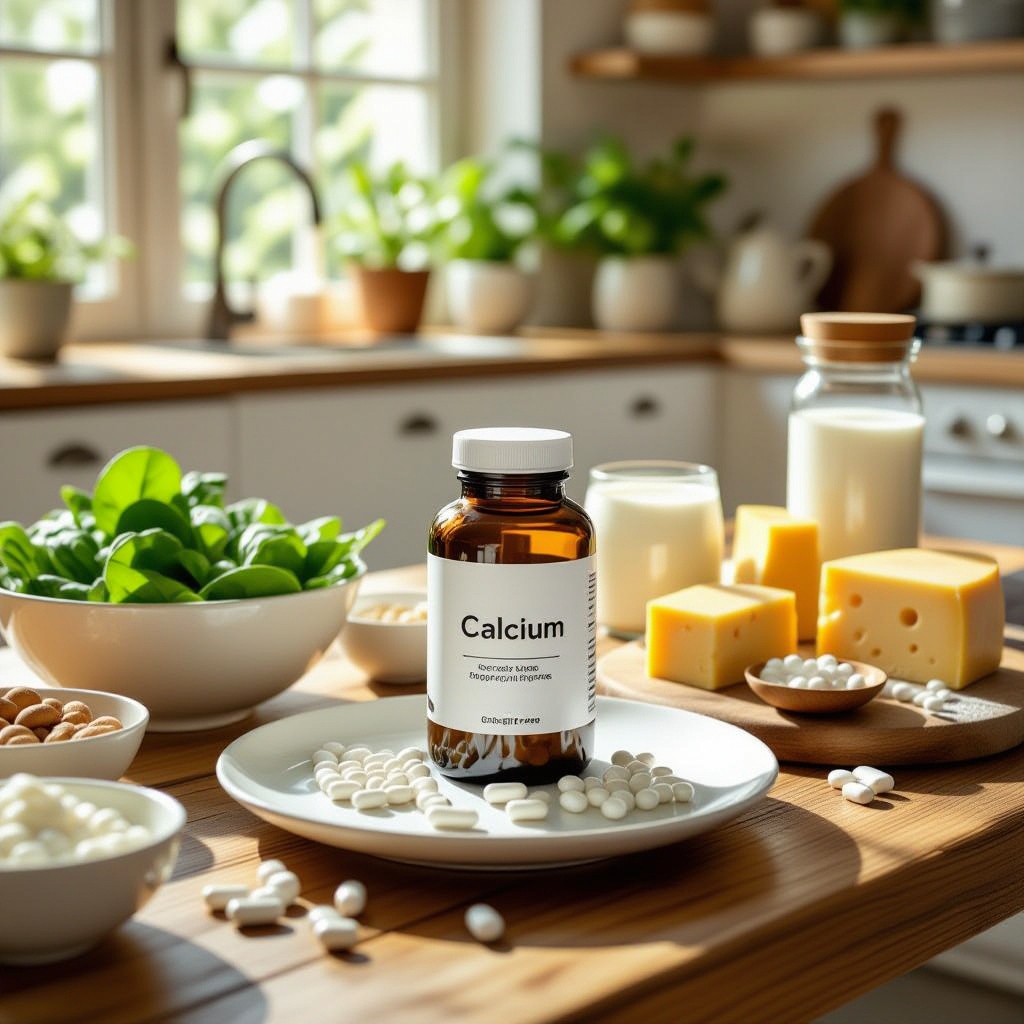
- Luteal Phase: Post-ovulation, it's important to shift to lower intensity workouts focusing on recovery. Here, carbohydrates should be reduced, while protein intake should increase to 2 grams per kilogram of body weight. Supplementation with calcium and vitamin D is also essential.
Perimenopause
As women transition to perimenopause, they should focus on maintaining a healthy baseline through regular health checks, including DEXA scans for bone health and monitoring cholesterol levels.
Menopause
During menopause, strength training remains crucial for maintaining muscle and bone health. Women should continue high-intensity interval training and ensure their protein intake is around 2 grams per kilogram of body weight. Important supplements during this time include omega-3 fatty acids, calcium, and vitamin D.
Pregnancy
Exercise is essential during pregnancy, contrary to the belief that it should be avoided. Nutritional support should focus on omega-3s, folate, and iron. However, caution is advised regarding certain supplements as they may not be thoroughly tested on pregnant women.
Essential Tips for All Women
Regardless of life stages, here are three critical health tips every woman should consider:
- Prioritize Strength Training: Focus on building strength rather than just cardio for overall health improvement.
- Monitor Your Nutrition: Regularly check your blood work for essential vitamins and minerals, especially iron and vitamin D.
- Incorporate Pelvic Floor Exercises: These are vital throughout life, not just during pregnancy, to maintain pelvic health.
Conclusion
Women's health is a complex and nuanced subject that requires attention to hormonal changes and unique physiological needs. By understanding and adapting to these life stages, women can optimize their performance, recovery, and overall well-being. While there is still much to learn in the field of female health, the insights shared here serve as a solid foundation for maintaining health throughout the female lifespan.