Peptides Are A Scam
Greg DoucettePublished on May 1, 2026
Summary authored by editor@wellifi.com
TLDR Summary
Manuel Enrique's 50-day journey with peptides like GHK-Cu and BPC-157 highlighted potential benefits for strength and skin health, but also emphasized the importance of proper sourcing and knowledge. Caution is advised when experimenting with these compounds.
Key Points
- Peptides like GHK-Cu and BPC-157 need to be sourced from reputable suppliers.
- Mixing peptides can reduce their effectiveness.
- Initial gains may not directly correlate to peptide efficacy.
- Side effects can occur, and it's vital to monitor health closely.
- Consulting with medical professionals before starting peptide regimens is recommended.
The Truth About Peptides: A Journey Through GHK-Cu and More
In today's blog post, we’ll explore the intriguing world of peptides, specifically focusing on GHK-Cu, and the journey of Manuel Enrique as he documents his experience with these compounds over a 50-day period. This investigation will help clarify whether peptides are a genuine aid for fitness and skin health or just another fitness fad.
Injecting GHK-Cu: The Beginning of a Journey
Manuel Enrique, who previously weighed over 210 pounds and underwent a successful body cut, decided to try peptides to enhance his fitness results and skin appearance. In his journey, he explores the effectiveness of peptides while documenting his strength gains and skin improvements. The concept of peptides can be confusing, as many mistakenly believe they are merely a different name for anabolic steroids.
Understanding Peptides and Their Effects
Enrique’s first step was to source peptides, which proved challenging. A crucial point made was that obtaining peptides from reputable sources, like compounding pharmacies, is vital to ensure their authenticity and effectiveness.
Common Mistakes with Peptide Usage
- Injecting different peptides together can reduce efficacy.
- Oral forms of peptides, like BPC-157, may not provide the same results as injections.
- Taking peptides without proper knowledge can lead to health risks.
Key Peptides Discussed
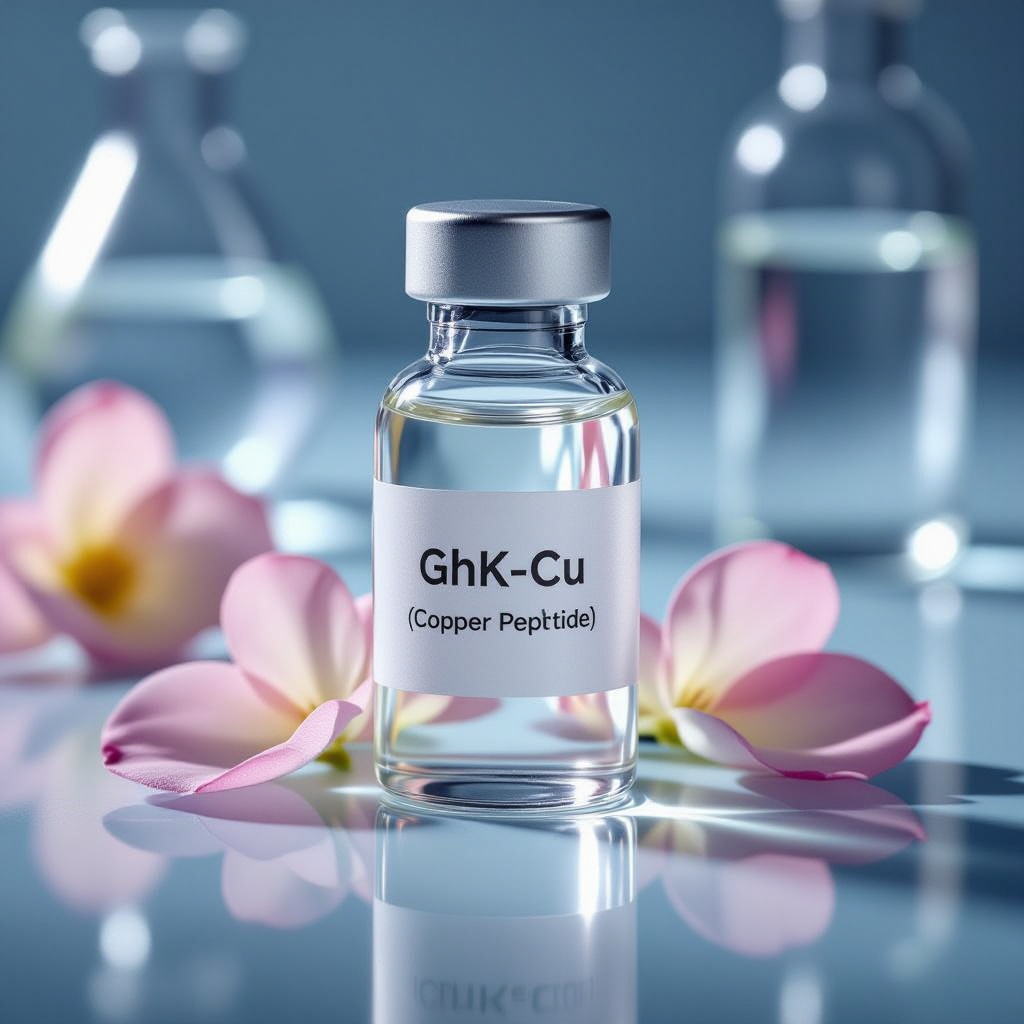
- GHK-Cu: Known for its skin healing properties and potential to reduce inflammation.
- BPC-157: Often touted for recovery benefits, although oral forms may not be as effective as injections.
- CJC-1295 plus Ipamorelin: A combination believed to boost growth hormone levels.
Results and Observations
After several workouts on peptides, Enrique reported strength gains on every lift. However, it's important to note that initial strength improvements might not directly result from peptide use, as the placebo effect and training consistency also play significant roles in these outcomes.
Potential Side Effects
Enrique experienced headaches and flu-like symptoms, raising questions about whether these side effects were due to the peptides or other factors. This emphasizes the need for caution and awareness when experimenting with any new compounds.
Conclusion: Are Peptides Worth It?
Manuel Enrique's experience with peptides showcased both potential benefits and pitfalls. While he reported improvements in strength and skin condition, the journey highlighted the importance of proper knowledge and sourcing regarding peptide usage. Ultimately, the effectiveness of peptides like GHK-Cu and BPC-157 can vary based on individual circumstances and should be approached with caution.
Key Takeaways
- Peptides like GHK-Cu and BPC-157 need to be sourced from reputable suppliers.
- Mixing peptides can reduce their effectiveness.
- Initial gains may not directly correlate to peptide efficacy.
- Side effects can occur, and it's vital to monitor health closely.
- Consulting with medical professionals before starting peptide regimens is recommended.
In conclusion, while peptides may offer benefits, they require careful consideration and understanding.