QUADRUPLING Of Natural Testosterone Levels Using These Supplements Ft. Andrew Huberman
More Plates More DatesPublished on October 8, 2021
Summary authored by editor@wellifi.com
TLDR Summary
This blog post explores the journey towards optimal hormonal balance, highlighting the impact of lifestyle and training on testosterone levels, the potential of natural testosterone boosters like Tongkat Ali and Fadogia Agrestis, and the role of testosterone replacement therapy (TRT). Achieving and maintaining hormonal balance involves a holistic approach that integrates lifestyle changes, careful supplementation, and medical guidance.
Key Points
- Adjusting training frequency and avoiding overtraining are crucial for maintaining optimal testosterone levels.
- Tongkat Ali and Fadogia Agrestis are two natural supplements that have shown promise in boosting testosterone levels, especially in those with low levels.
- Quality sourcing is essential when considering natural testosterone boosters due to the variance in response and potential side effects.
- Testosterone replacement therapy (TRT) is a viable option for those who do not see sufficient results from natural methods, but it should be approached with caution and under medical supervision.
- Achieving hormonal balance requires a holistic approach that includes lifestyle adjustments, supplementation, and possibly medical intervention.
Unlocking the Potential of Natural Testosterone Boosters
In the quest for optimal health and wellness, individuals often explore a variety of supplements and lifestyle changes to enhance their hormonal balance. This journey can lead to significant improvements in quality of life, particularly for those experiencing symptoms of low testosterone. With an emphasis on natural testosterone boosters, this blog post delves into personal experiences, scientific inquiry, and the nuanced approach to hormone augmentation through over-the-counter supplements and lifestyle adjustments.
The Impact of Lifestyle and Training on Testosterone Levels
The relationship between lifestyle factors, such as exercise frequency and intensity, and testosterone levels is complex. An individual's training regimen can significantly impact hormonal balance, with resistance training being a notable example. Adjusting training frequency and ensuring not to overtrain are essential steps in maintaining optimal testosterone levels. Overtraining, characterized by excessive duration or frequency of workouts, can lead to diminished testosterone levels, underscoring the importance of balance and moderation in exercise.
Exploration of Natural Testosterone Boosters
Among the myriad of over-the-counter supplements touted for their testosterone-boosting capabilities, two have stood out based on personal experiences and anecdotal evidence: Tongkat Ali and Fadogia Agrestis. These supplements, particularly when sourced correctly, have shown promise in significantly increasing testosterone levels, especially in individuals experiencing symptoms of low testosterone. However, it's crucial to approach these supplements with caution, considering the variance in response and the importance of quality sourcing.
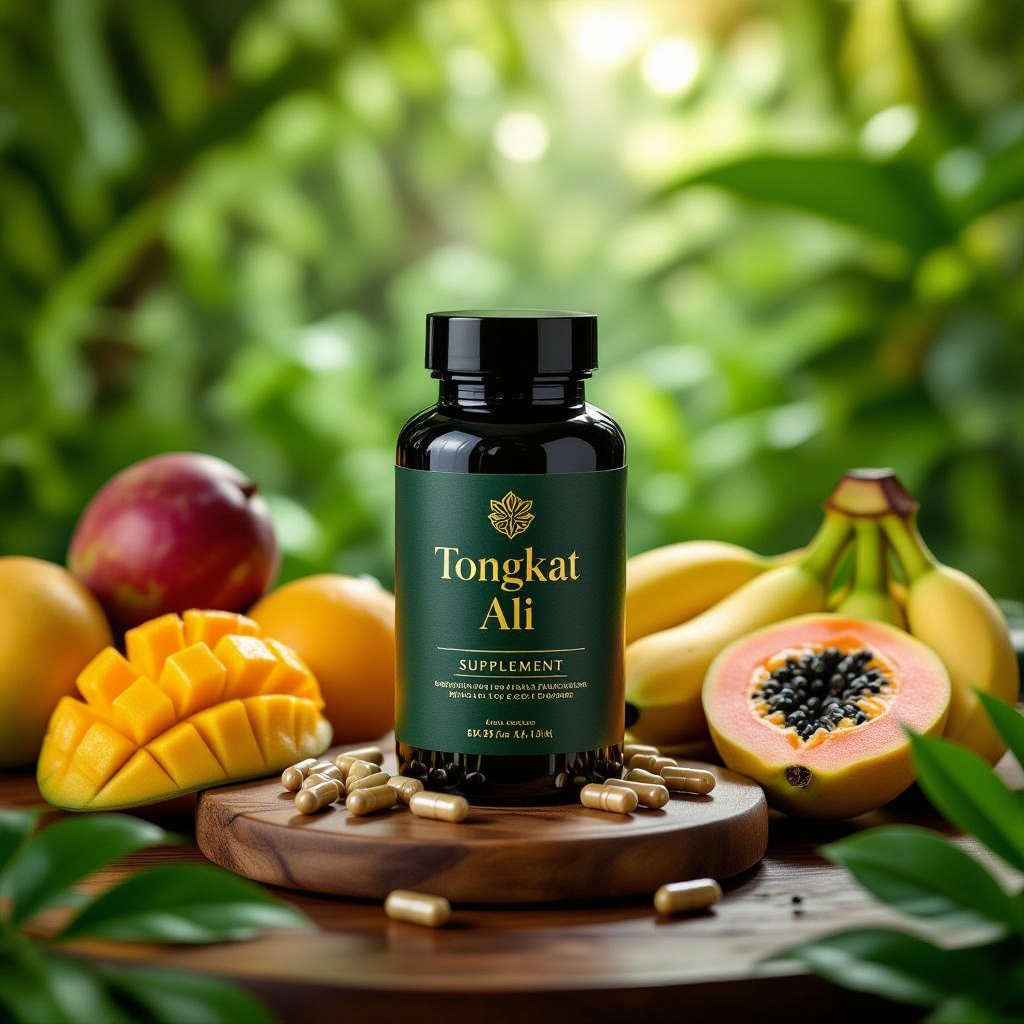
Tongkat Ali: A Potent Natural Booster
Tongkat Ali, especially the Indonesian variant, has been reported to lower sex hormone-binding globulin (SHBG), potentially leading to increases in free testosterone. The personal experience of taking 400 milligrams of Tongkat Ali, combined with Fadogia Agrestis, led to noticeable increases in testosterone levels, moving from the mid-700s to low 800s (nanograms per deciliter).
Fadogia Agrestis: Increasing Luteinizing Hormone
Fadogia Agrestis, at a dose of 600 milligrams, has been observed to increase luteinizing hormone (LH) without negatively affecting natural LH production or follicle-stimulating hormone (FSH) levels. This unique mechanism suggests its potential as a testosterone booster without the common drawback of suppressing natural hormone production.
The Role of TRT and Hormone Augmentation
For some, natural supplements and lifestyle adjustments may not suffice in managing symptoms of low testosterone. In such cases, testosterone replacement therapy (TRT) becomes a viable option. Working with a physician to explore TRT, especially after exhausting natural methods, can offer a regulated and effective approach to hormone augmentation. The decision to start TRT should be made with careful consideration of potential benefits and risks, always under medical supervision.
Conclusion
The journey to optimal hormonal balance is highly individualized, involving a combination of lifestyle adjustments, natural supplements, and potentially hormone augmentation through TRT. While natural testosterone boosters like Tongkat Ali and Fadogia Agrestis offer promising results for some, it's essential to approach these supplements with a critical eye towards sourcing and individual response. Ultimately, achieving and maintaining hormonal balance requires a holistic approach, integrating lifestyle, supplementation, and medical guidance.