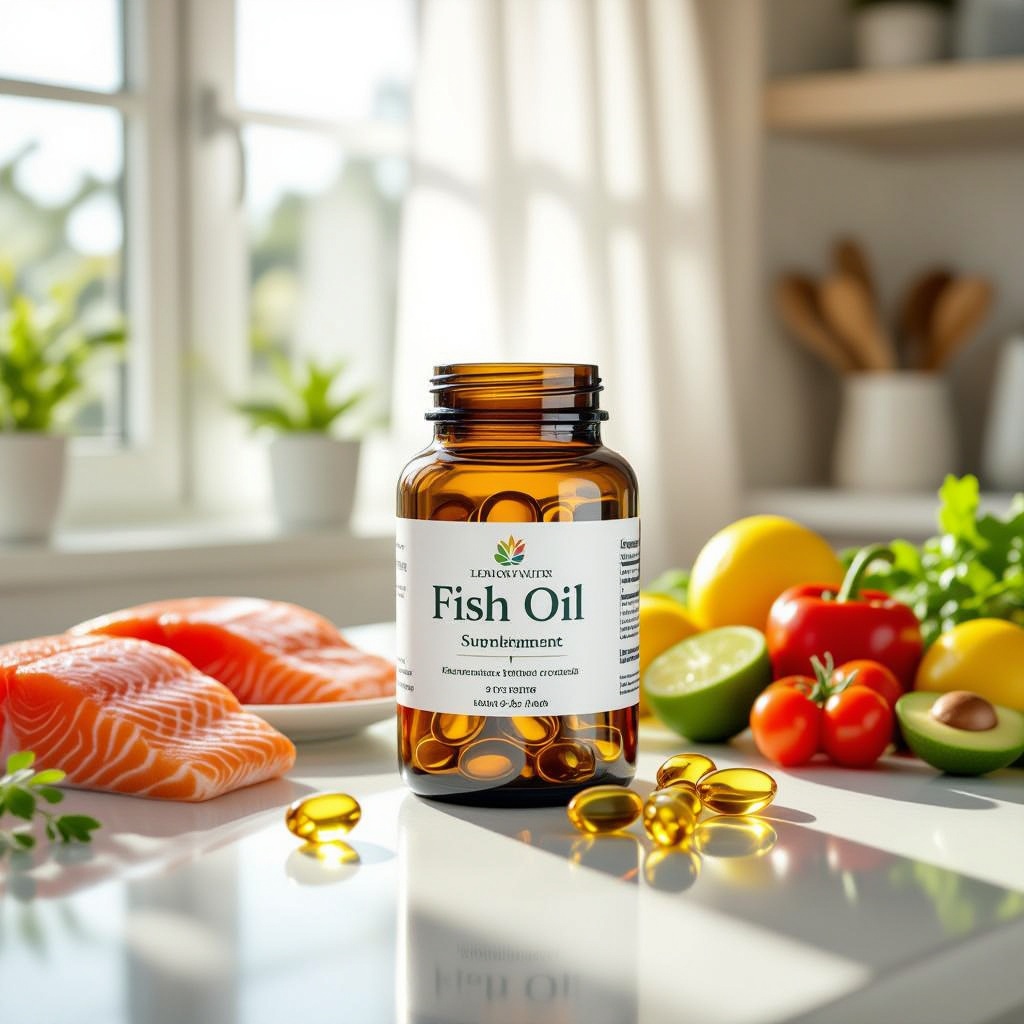
Should I take fish oil? How to know if you need it or not and what to look for on the label.
Cate Shanahan MDPublished on May 26, 2021
Summary authored by editor@wellifi.com
TLDR Summary
Fish oil supplements are popular, but research suggests they may not offer the expected health benefits. It's often better to consume omega-3 fatty acids through whole foods like oily fish rather than relying on processed supplements.
Key Points
- Fish oil is one of America's most popular dietary supplements, with 8% of adults taking it.
- The primary benefits of fish oil come from omega-3 fatty acids, DHA and EPA.
- Research shows fish oil supplements may not deliver expected health benefits.
- The processing of fish oil can lead to the degradation of omega-3 fatty acids.
- Eating oily fish is a better alternative to fish oil supplements.
The Truth About Fish Oil: Is It Worth Taking?
Fish oil has become one of America's most popular dietary supplements, with approximately 8% of U.S. adults currently taking it. This marks a significant increase from just 20-25 years ago when fish oil was a relatively unknown supplement. But with its rise in popularity, many people are left wondering: Should you take fish oil?
What is Fish Oil?
Fish oil, often synonymous with krill oil, DHA, EPA, and algae oil, is popular for its omega-3 fatty acids. These fatty acids are believed to offer a variety of health benefits, including supporting brain health and reducing inflammation.
Key Nutrients in Fish Oil
The primary nutrients people seek from fish oil are omega-3 fatty acids, specifically DHA (Docosahexaenoic acid) and EPA (Eicosapentaenoic acid). These compounds are essential because our bodies cannot produce them independently, necessitating their intake through diet or supplements.
Health Benefits of Fish Oil
Here are some of the health claims associated with fish oil:
- Supports brain health and cognitive function
- Reduces inflammation, particularly in joints
- May lower triglycerides in the bloodstream
- Potential benefits for conditions like rheumatoid arthritis and dry eyes
- Could play a role in preventing blindness and age-related macular degeneration
The Problem with Fish Oil Supplements
Despite the numerous benefits attributed to fish oil, research shows that supplements may not deliver the expected results. It’s essential to note that:
- The omega-3 fatty acids in fish oil can degrade during processing and heating, leading to a loss of their beneficial properties.
- High doses of omega-3 may lower triglycerides, but there is no conclusive evidence that they reduce heart disease risk.
- Many people who consume fish regularly appear healthier, but this could be due to their overall diet rather than fish consumption alone.
Are All Fish Oils Created Equal?
Not necessarily. Many over-the-counter fish oil products may contain toxins and breakdown products due to poor processing practices. Research indicates that some brands exceed acceptable toxin limits. Therefore, it’s crucial to:
- Look for fish oil products that specify they control for oxidation.
- Avoid highly refined oils and those canned in non-olive oils.
Better Alternatives to Fish Oil
Instead of relying on supplements, consider incorporating more oily fish into your diet. Here are some excellent sources of omega-3:
- Herring
- Sardines
- Salmon
- Trout
- Mackerel
Canned salmon and other oily fish are often more affordable and provide the necessary nutrients without the processing concerns associated with fish oil supplements.
Can Your Body Make Omega-3?
Interestingly, if your metabolism is healthy, your body can convert certain types of omega-3 fatty acids into the longer EPA and DHA forms. Foods rich in omega-3, such as nuts (especially walnuts), seeds (like flax and chia), and grass-fed dairy, can support your body’s ability to manufacture these essential fatty acids.
Conclusion
While fish oil supplements have become a staple for many, it's essential to approach them with caution. The food source of omega-3s is often superior to supplements. If you aim to improve your health, focus on a diet rich in whole foods, including oily fish, nuts, and seeds, rather than relying solely on fish oil capsules.