WATCH This BEFORE Getting HRT (FDA Black Box Warning on Hormones Removed) | Dr. Josh Axe
Dr. Josh AxePublished on April 27, 2026
Summary authored by editor@wellifi.com
TLDR Summary
Hormone Replacement Therapy (HRT) can provide relief for individuals with significant hormonal imbalances, but it should be considered after lifestyle changes and under appropriate medical guidance. Natural alternatives often offer effective support for hormonal health.
Key Points
- HRT can be beneficial for those with critically low hormone levels but comes with potential risks.
- Natural alternatives to HRT, such as dietary changes and herbal remedies, should be considered first.
- Women in early menopause with severe symptoms are the best candidates for HRT.
- Individuals with mild symptoms or a history of hormone-sensitive cancers should generally avoid HRT.
Should You Consider Hormone Replacement Therapy (HRT)?
One of the most frequent questions I receive is, "Should I be on HRT?" By the end of this article, you'll understand how to determine if you're a suitable candidate for hormone replacement therapy or if you're simply experiencing foundational health issues. While some individuals may encounter side effects, HRT can be beneficial for many. Let's delve into the details.
Understanding HRT and Its Risks
In November 2025, the FDA removed the black box warning from numerous menopausal hormone replacement therapy products. This warning previously indicated a potential increased cancer risk. After analyzing various studies, it became evident that the cancer risks associated with HRT were minimal for most women. However, caution is still advised.
Though HRT may be advantageous for women with critically low hormone levels, it’s essential to consider individual circumstances. For instance, I know three women who developed estrogen-based breast cancer shortly after starting HRT. Thus, the decision to use HRT isn't universal; it depends on various factors including age and hormonal status.
The Global Perspective on HRT
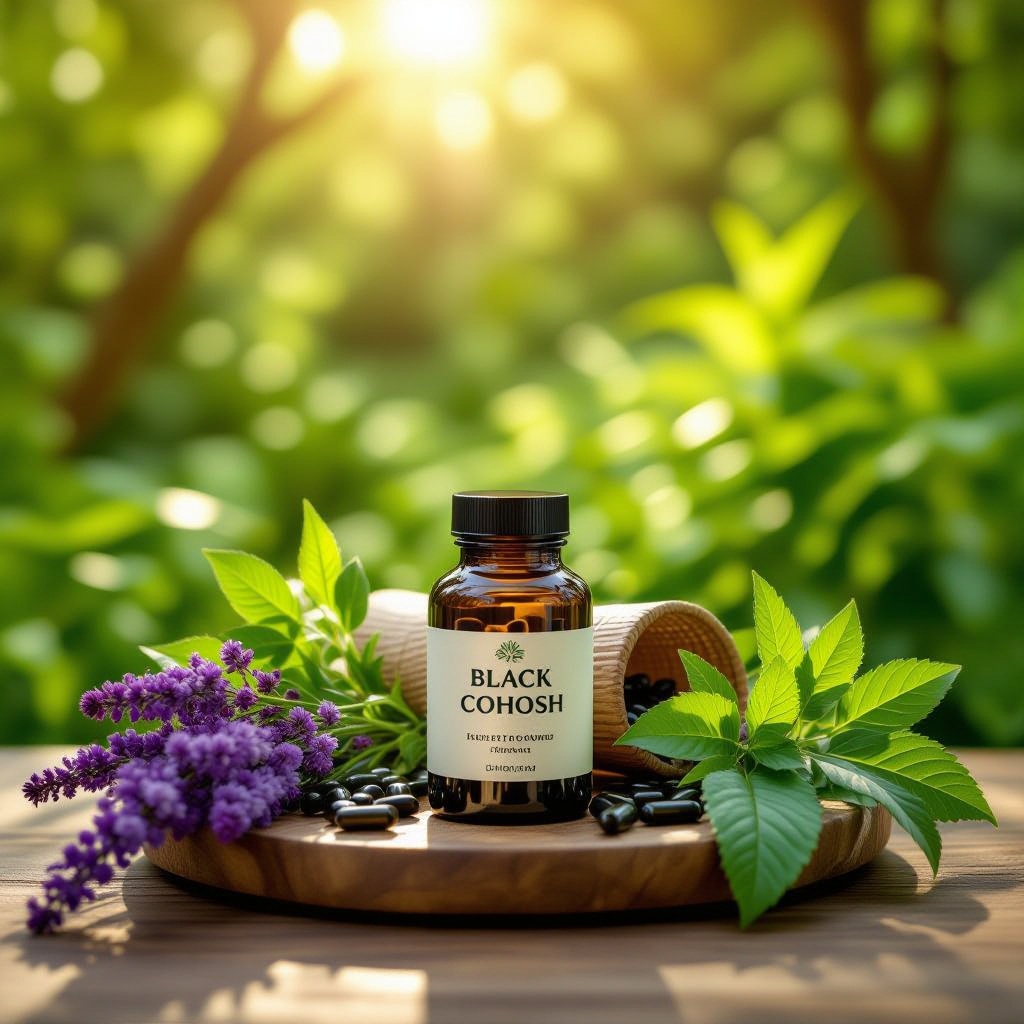
Interestingly, women in countries like Japan and Sweden utilize HRT at much lower rates than in the United States. These women often turn to natural remedies such as black cohosh and dietary adjustments. This approach may contribute to healthier aging compared to the U.S. model.
It's crucial to address the underlying causes of hormonal imbalance. For example, if a man experiences low testosterone, the root cause might be high insulin or cortisol levels. Simply replacing testosterone does not rectify these underlying issues.
What is HRT?
Hormone Replacement Therapy involves administering external hormones, like estrogen, progesterone, or testosterone, to compensate for the body's inadequate production of these hormones, usually due to aging. Common symptoms it helps alleviate include:
- Hot flashes
- Poor sleep
- Mood changes
- Lack of motivation (in men)
- Lack of strength (in men)
While HRT isn't a cure, it can provide significant relief, particularly for women experiencing severe menopausal symptoms that disrupt their quality of life.
Who Should Consider HRT?
Women in early menopause with significant symptoms, particularly sleep disruption, may benefit the most from HRT. Those experiencing severe hot flashes, sexual pain, or dryness are also strong candidates. For men, those with confirmed low testosterone symptoms based on lab findings should consider testosterone therapy.
Who Should Avoid HRT?
- Individuals with mild symptoms
- Those with normal hormone fluctuations that do not impair life
- People with a history of hormone-sensitive cancer
- Individuals with uncontrolled cardiovascular disease
- Those with active liver disease or gallbladder issues
- Long-term use purely for prevention
For these individuals, lifestyle changes and natural approaches are generally more advisable.
Natural Alternatives to HRT
To support hormonal health naturally and potentially avoid HRT, consider these steps:
1. Diet
Aim for a diet rich in high-protein, high-fiber foods such as vegetables and healthy fats like omega-3 fatty acids. Foods such as avocados, nuts, and seeds can be particularly beneficial.
2. Lifestyle Improvements
Focus on managing stress through regular exercise, getting adequate sleep, and maintaining a consistent sleep cycle.
3. Plant-Based Medicine
Consider herbs like black cohosh, red clover, and wild yam, which have been historically used to alleviate menopausal symptoms.
4. Supplements
Magnesium, omega-3 fatty acids, and vitamin D can support hormonal balance and overall well-being.
5. Glandulars
These can provide raw materials needed for hormone synthesis and help restore hormonal balance.
Conclusion
HRT is not inherently bad, but it should not serve as the primary solution. Your hormonal health reflects deeper issues such as nutrition, stress levels, and sleep patterns. While HRT can be life-changing for certain individuals, it should be considered after implementing lifestyle changes and under the guidance of a qualified practitioner.
If you find this information helpful, consider sharing it with someone who might benefit.