What 19 Creatine Studies Found (And Doctors Miss) | Ben Greenfield
Ben Greenfield LifePublished on July 30, 2026
Summary authored by editor@wellifi.com
TLDR Summary
In this episode, Ben Greenfield discusses the safety of BPC 157, the ideal body fat percentages for attractiveness, efficient gym strategies using myoreps, and debunks myths surrounding creatine and kidney health.
Key Points
- BPC 157 is used for inflammation and tissue healing but should be approached with caution in individuals with existing cancers.
- The most attractive body fat percentage for men is around 15%, while for women, it's about 30%.
- Optimal body fat percentages for health are 11-16% for men and 16-22% for women.
- Myoreps can help reduce gym time while maintaining strength and muscle growth.
- Creatine is not harmful to kidney health in healthy individuals despite common misconceptions.
Understanding Body Fat Percentage, BPC 157, and Fitness Hacks
In this episode of the Boundless Life podcast, host Ben Greenfield dives into various health and fitness topics, including the most attractive body fat percentages, the safety of BPC 157, and effective gym strategies to maximize results in less time.
The Truth About BPC 157 and Cancer Concerns
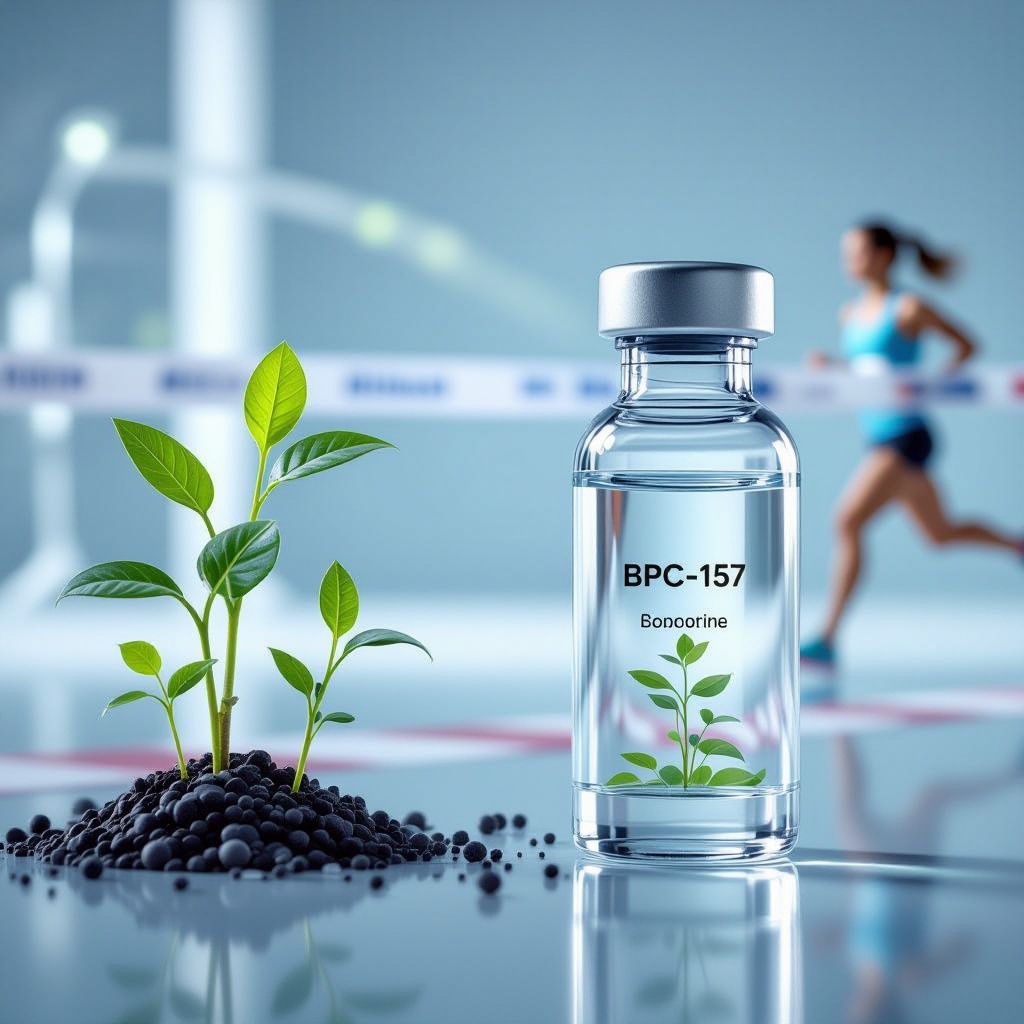
One of the significant points discussed is the peptide BPC 157, often used for inflammation and tissue healing. Recently, concerns have been raised about its potential to promote angiogenesis, a process where new blood vessels form, which is essential for healing but can also support tumor growth in cancer. Ben explains that while BPC 157 does upregulate vascular endothelial growth factor (VEGF), which is involved in angiogenesis, this mechanism is typically beneficial in contexts of injury or hypoxia, not cancer.
Research shows that BPC 157 does not produce the sustained overexpression of VEGF associated with tumor growth. In fact, the existing rodent studies on BPC 157 have not indicated any acceleration of tumor growth, and some even suggest potential anti-tumor effects. However, caution is advised for individuals with existing cancers, as the introduction of pro-angiogenic signals could complicate their condition.
Attractiveness and Body Fat Percentages
Another intriguing topic covered is the ideal body fat percentages for attractiveness. A study found that for men, a body fat percentage of around 15% is considered most attractive, while women are perceived as most attractive at approximately 30% body fat. Notably, these percentages challenge common perceptions, with many believing that lower body fat levels are universally more attractive. Ben emphasizes the importance of context and individual differences in how body fat percentage manifests visually.
Health Implications of Body Fat
Ben highlights that while attractiveness can correlate with health and fitness, there are optimal ranges for body fat that promote hormonal balance and reproductive health. For men, a body fat percentage of 11-16% is ideal for maintaining testosterone levels, while women generally need to maintain a body fat percentage of 16-22% for health, with 22-33% being optimal for overall longevity and fertility.
Fitness Hacks: Shortening Gym Time
In an effort to maximize efficiency in the gym, Ben introduces the concept of 'myoreps.' This method involves performing an initial high-rep activation set followed by multiple lower-rep sets with minimal rest. Research shows that this approach can reduce workout time by up to 62% while achieving similar muscle growth and strength gains as traditional methods.
The Truth About Creatine and Kidney Health
Ben also addresses a common myth regarding creatine supplementation and kidney health. A systematic review found that while creatine can lead to an increase in serum creatinine levels—often misinterpreted as an indicator of kidney damage—there are no significant adverse effects on kidney function in healthy individuals. The key takeaway is that creatine is generally safe for those without pre-existing kidney issues.
Conclusion
This podcast episode provides valuable insights into current health topics, exploring the balance between attractiveness and health metrics, the safety of popular supplements, and innovative strategies to enhance workout efficiency. Understanding these elements can help individuals make informed choices about their health and fitness journeys.