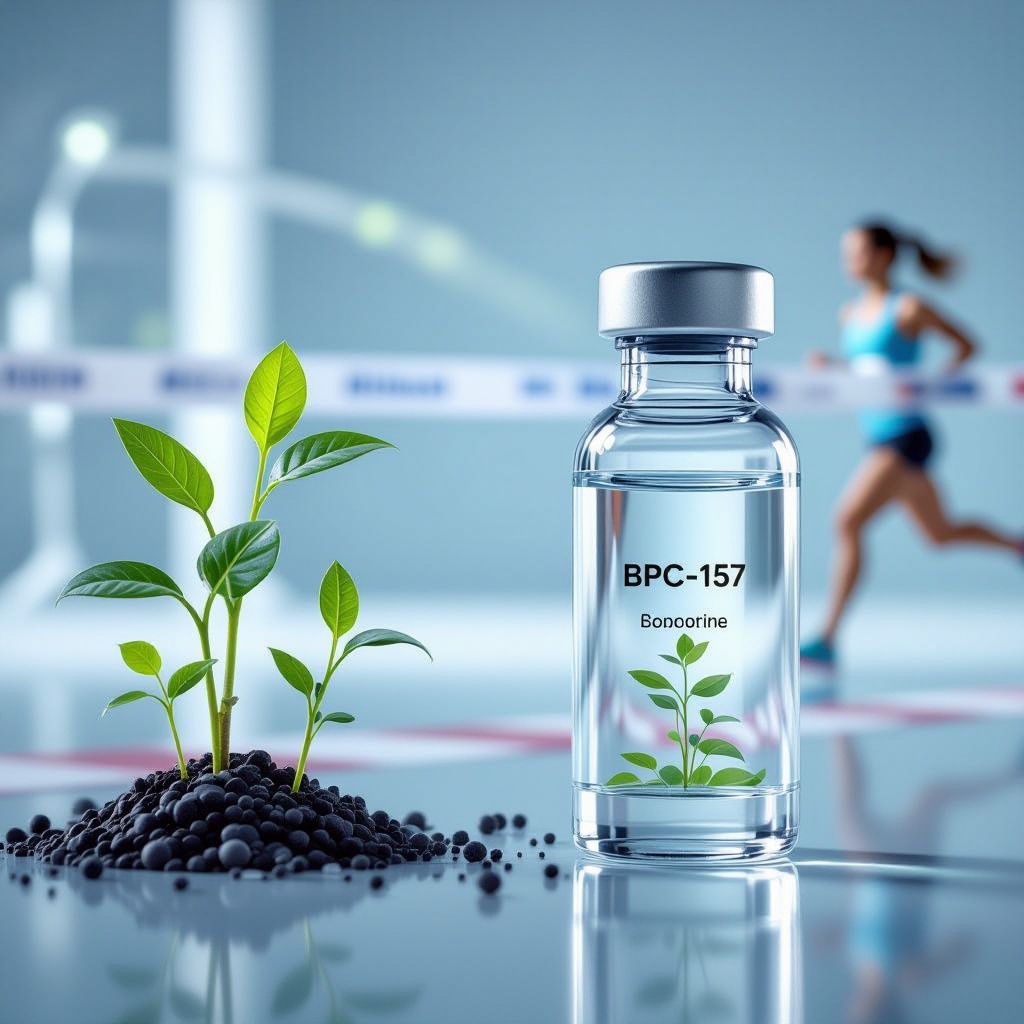
What You Need to Know About BPC-157
Max LugaverePublished on September 30, 2025
Summary authored by editor@wellifi.com
TLDR Summary
BPC-157 is a peptide with potential healing benefits, often referred to as the 'Wolverine Peptide'. While it shows promise based on anecdotal evidence, there is a lack of human clinical data, and caution is advised, particularly for those at risk for cancer.
Key Points
- BPC-157 is a gastric peptide known as the 'Wolverine Peptide' for its healing properties.
- It may promote angiogenesis and sensitize cells to growth hormone.
- Personal experiences vary, and there's a lack of human clinical data.
- Consult a healthcare provider before considering its use, especially for those at risk for cancer.
Understanding BPC-157: The Wolverine Peptide
In the realm of health and wellness, peptides have become a popular topic, especially among enthusiasts who are eager to explore their potential benefits. One peptide that has garnered attention is BPC-157, often referred to as the 'Wolverine Peptide' for its purported ability to accelerate healing and recovery. In this article, we'll delve into what BPC-157 is, its possible benefits, side effects, dosage recommendations, and who might consider its use.
What is BPC-157?
BPC-157 is a gastric peptide that our bodies naturally produce as a component of gastric juice. Recently, it has been synthesized in laboratories, leading to its popularity among those looking to enhance their healing processes. While there is a wealth of animal data and numerous anecdotal reports supporting its efficacy, there is a significant lack of human clinical data, making it a subject of caution.
Potential Benefits of BPC-157
BPC-157 is thought to have several mechanisms that may support healing:
- Angiogenesis: BPC-157 may promote the growth of new blood vessels, which can facilitate healing by delivering essential nutrients and healing factors to damaged tissues.
- Cell Sensitization: This peptide may help sensitize your cells to growth hormone, a hormone that plays a significant role in healing and regeneration, particularly during sleep.
Personal Experience and Anecdotal Evidence
While I have personally taken BPC-157 following back surgery and did not experience any adverse effects, I cannot definitively say whether it accelerated my healing process. During my recovery, I supplemented with collagen, vitamin C, and other micronutrients, which could also have contributed to my healing. The overall lack of human clinical data means that BPC-157 should be approached with caution.
Who Should Consider BPC-157?
Individuals seeking to enhance their recovery from injuries or surgeries may be curious about BPC-157. However, those who are at high risk for cancer or have existing tumors should exercise particular caution, as promoting growth hormone sensitivity could potentially exacerbate these conditions. It is essential to consult with a healthcare provider before considering BPC-157.
Conclusion
While BPC-157 shows promise as a healing peptide, the lack of substantial human clinical research makes it a more experimental option than a proven treatment. Anecdotal evidence exists, and many in the medical community express interest in its potential, but more research is needed to fully understand its benefits and risks. Always consult with a healthcare professional before embarking on any new supplement regimen.
Key Takeaways
- BPC-157 is a gastric peptide known as the 'Wolverine Peptide' for its healing properties.
- It may promote angiogenesis and sensitize cells to growth hormone.
- Personal experiences vary, and there's a lack of human clinical data.
- Consult a healthcare provider before considering its use, especially for those at risk for cancer.