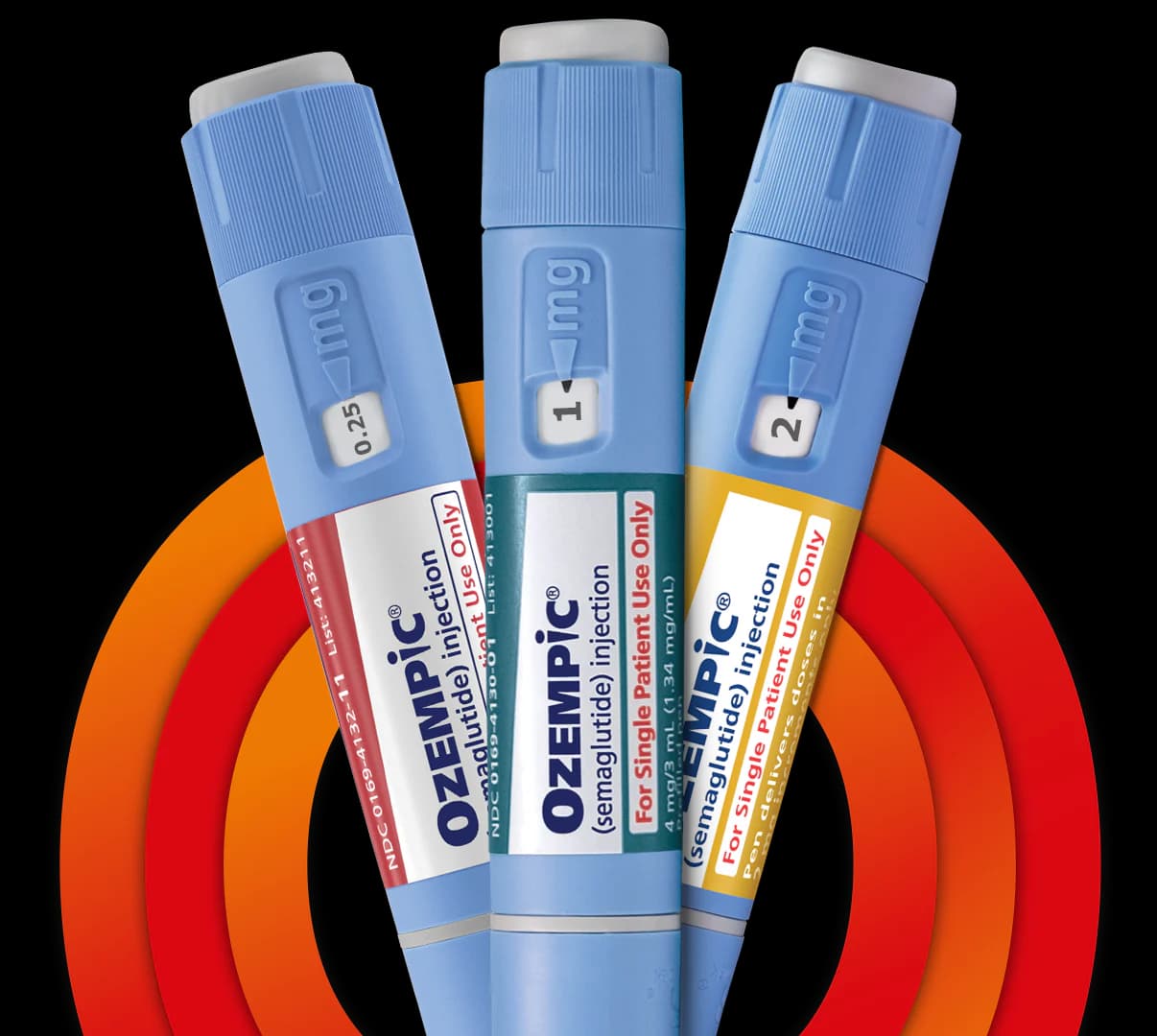
Ozempic: An Effective Solution for Blood Sugar Control and Weight Management
Ozempic, generically known as semaglutide, is a glucagon-like peptide-1 (GLP-1) receptor agonist This prescription medication is commonly used for the treatment of type 2 diabetes, primarily designed to control blood sugar levels.
Supplement Summary
| Name | Ozempic |
|---|---|
| Category | Blood Sugar Support |
| Main Uses |
|
| Effectiveness | High - Demonstrated effectiveness in controlling blood sugar levels and aiding weight loss. |
| Common Dosage | 0.25 mg to 0.5 mg once weekly |
| Price Range | $$$$ |
| Forms Available | Injectable |
Pros
- ✅ Effective blood sugar control
- ✅ Potential weight loss benefits
- ✅ Reduced risk of cardiovascular events
Cons / Side Effects
- ❌ Potential side effects like nausea and vomiting
- ❌ Risk of thyroid tumors
- ❌ Requires subcutaneous injection
What Is Ozempic?
Ozempic, generically known as semaglutide, is a glucagon-like peptide-1 (GLP-1) receptor agonist. This prescription medication is commonly used for the treatment of type 2 diabetes, primarily designed to control blood sugar levels. It also provides benefits in cardiovascular health and weight loss.
How It Works
Ozempic works by mimicking the functions of natural incretin hormones in the body, promoting insulin secretion when blood sugar levels are high. It also slows gastric emptying and inhibits the release of glucagon, a hormone that raises blood sugar levels.
Who It's Best For
Ozempic is primarily used by individuals with type 2 diabetes. It may also benefit those struggling with weight management.
Who Should Avoid It
People with a personal or family history of thyroid cancer or Multiple Endocrine Neoplasia syndrome type 2 should avoid using Ozempic. It is also not recommended for patients with type 1 diabetes or diabetic ketoacidosis.
Dosage & Usage Tips
Ozempic is typically administered once a week via subcutaneous injection. The usual starting dosage is 0.25 mg, which may be increased to 0.5 mg after one month depending on the patient's response.
Buying Advice & Quality Tips
As a prescription medication, Ozempic should be used under the guidance of a healthcare provider. Ensure a proper diagnosis and prescription before usage.
Price & Value
The cost of Ozempic can be high, though it can be covered by insurance. When considering the price, the benefits in blood sugar control, cardiovascular health, and potential weight loss should be taken into account.
Final Verdict
While Ozempic shows significant benefits in managing type 2 diabetes and aiding in weight loss, it's important to consider potential side effects and individual health conditions. Always consult with a healthcare provider before starting any new medication.
Additional Clinical Research
I have identified three published scientific studies specifically focusing on Ozempic (semaglutide). Below is a summary of their key findings, categorized by health benefit, along with an assessment of the research quality.
RESEARCH SUMMARY: Ozempic
KEY FINDINGS:
Cardiovascular Health
- In a randomized, placebo-controlled trial involving 17,604 patients with preexisting cardiovascular disease and overweight or obesity but without diabetes, weekly subcutaneous semaglutide at a dose of 2.4 mg reduced the incidence of death from cardiovascular causes, nonfatal myocardial infarction, or nonfatal stroke by 20% over a mean follow-up of 39.8 months.
- The study demonstrated a significant reduction in major adverse cardiovascular events among participants receiving semaglutide compared to those receiving placebo.
Source: Marso et al. (2023)
View Research
https://www.nejm.org/doi/full/10.1056/NEJMoa2307563
Weight Management
- In a 68-week, randomized, double-blind trial involving 611 adults with overweight or obesity, once-weekly subcutaneous semaglutide at a dose of 2.4 mg, combined with intensive behavioral therapy and an initial low-calorie diet, resulted in a mean body weight reduction of 16.0%, compared to 5.7% with placebo.
- A higher proportion of participants in the semaglutide group achieved weight losses of at least 5%, 10%, and 15% compared to the placebo group.
Source: Wadden et al. (2021)
View Research
https://jamanetwork.com/journals/jama/fullarticle/2777025
Glycemic Control
- In a 26-week, randomized clinical trial involving 632 patients with type 2 diabetes, oral semaglutide significantly reduced hemoglobin A1c (HbA1c) levels by up to 1.9%, compared to a 0.3% reduction with placebo.
- The study demonstrated that oral semaglutide resulted in better glycemic control than placebo over 26 weeks.
Source: Davies et al. (2017)
View Research
https://jamanetwork.com/journals/jama/fullarticle/2657376
RESEARCH QUALITY ASSESSMENT:
- All three studies were randomized, controlled trials, which are considered the gold standard for clinical research.
- The sample sizes were substantial, enhancing the reliability of the findings.
- The trials were conducted over extended periods (26 to 68 weeks), allowing for the assessment of both short-term and longer-term effects.
- While the studies provide strong evidence for the efficacy of semaglutide (Ozempic) in various health aspects, further research is needed to assess long-term safety and effectiveness across diverse populations.