Loading...
Back to Supplements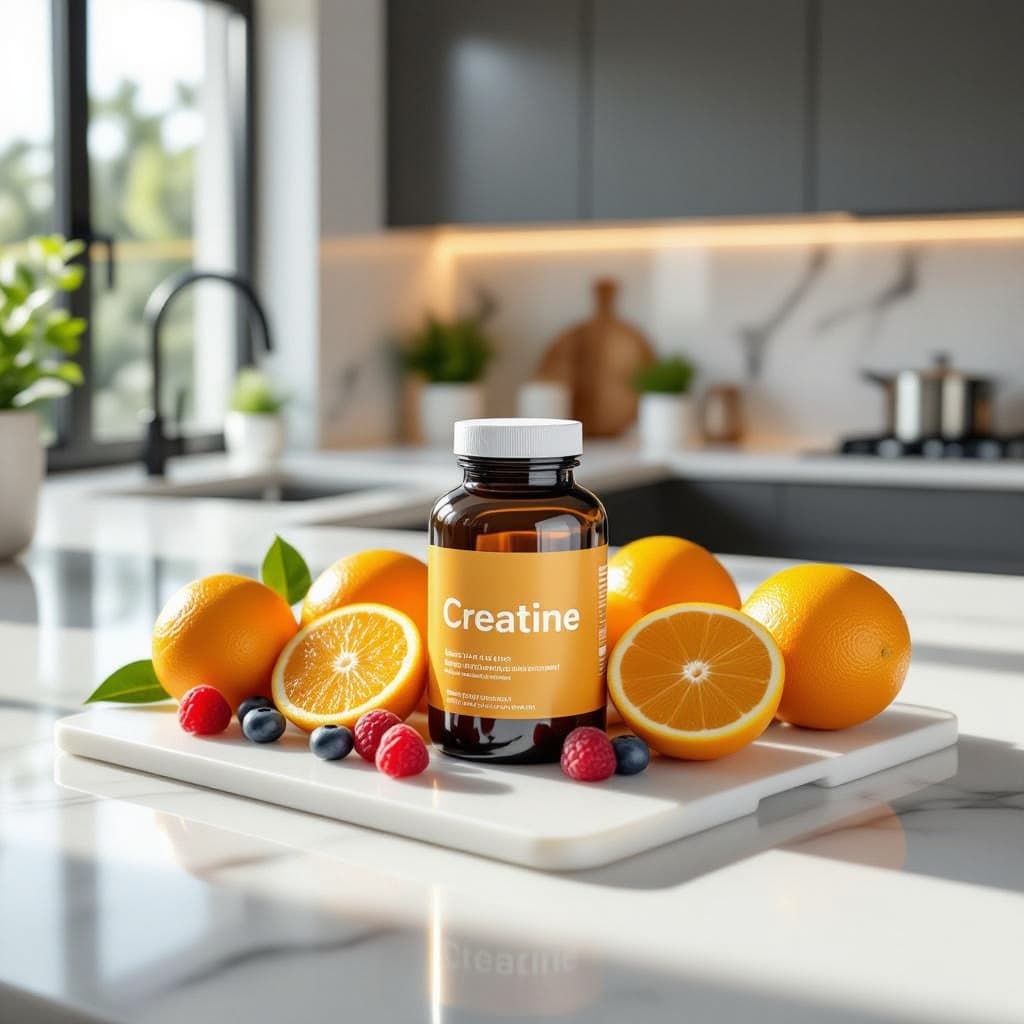
Categories
Health Conditions
Creatine
Creatine is a natural substance that turns into creatine phosphate in the body, which helps make a substance called adenosine triphosphate (ATP). ATP provides the energy for muscle contractions.
No review available
A detailed review for this supplement hasn't been created yet.
Video Summaries

If You Hate Exercise, Do THIS Instead
This article outlines 20 innovative strategies to incorporate exercise into a busy lifestyle, emphasizing the importance of aligning movement with daily routines. By adopting these methods, individuals can enhance their physical activity without feeling overwhelmed.
Dec 6, 2025
They Discovered This Shrinks Fatty Liver by 30% in 2 Weeks (5,000 person study)
Sleep quality is closely linked to metabolic health, particularly in reducing the risk of fatty liver disease. Improving sleep and dietary habits can lead to significant health benefits.
Aug 8, 2025
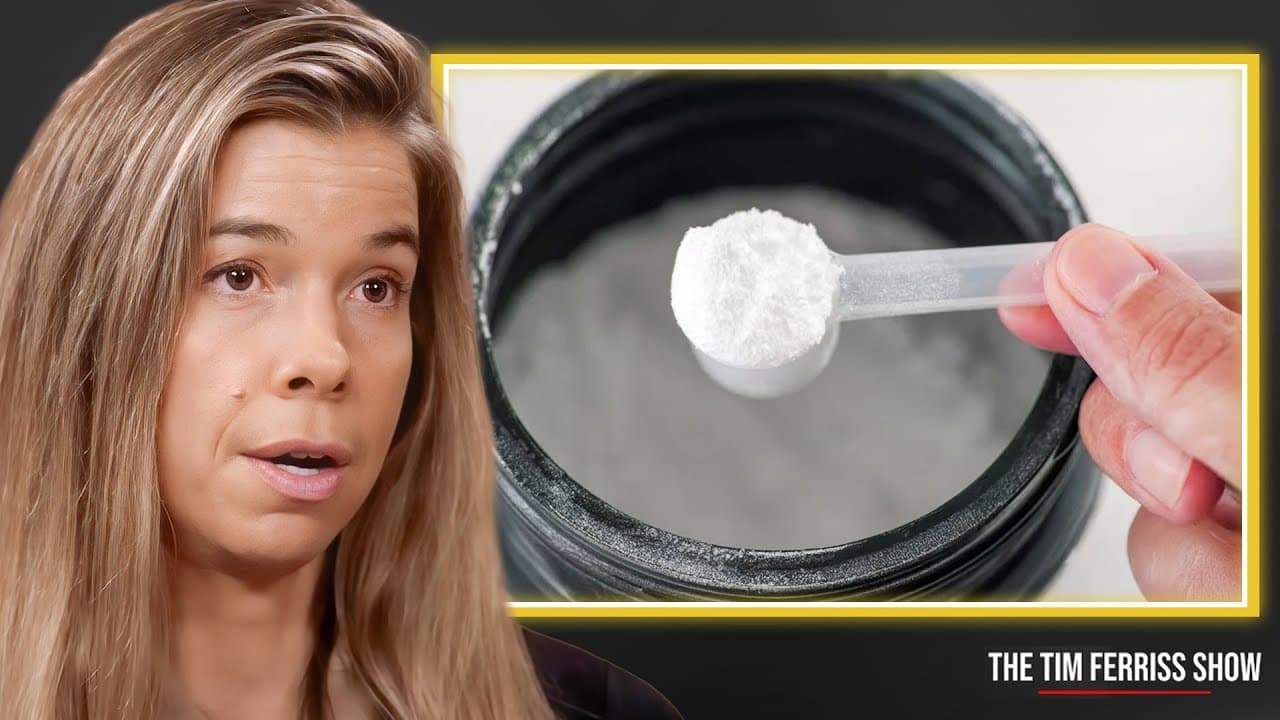
Creatine for Boosting Your Cognitive Performance — Dr. Rhonda Patrick
Creatine is not only beneficial for muscle growth but also enhances cognitive function, especially during sleep deprivation. Higher doses may be needed to achieve these cognitive benefits effectively.
Aug 4, 2025
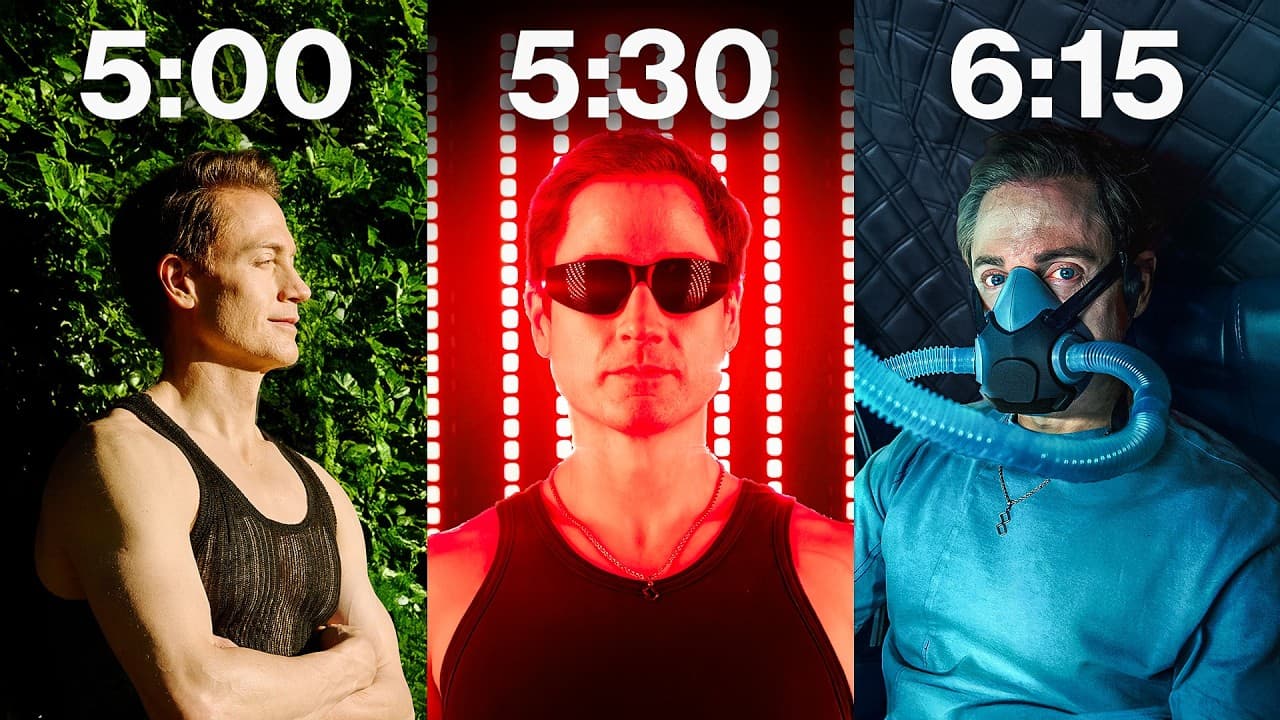
My INTENSE Morning Routine (Live to 150+)
Following Bryan Johnson's blueprint morning routine for 30 days transformed my health practices, focusing on structured measurements, high-quality supplements, and advanced therapies. The routine emphasizes the importance of hydration, nutrition, and exercise for longevity and optimal well-being.
Jul 8, 2025

Exercise and Nutrition for Women: Facts vs. Social Media Trends with Dr. Lauren Colenso-Semple
Dr. Lauren Kenzo Simple argues that training should not be tailored to menstrual cycles, as consistency is key for progress. She also addresses misconceptions about fasted exercise and the role of creatine, emphasizing the importance of a balanced approach to health.
Jul 7, 2025
Why I Add Creatine to My Coffee Every Morning (And You Should Too)
Creatine is a versatile supplement known for its benefits in muscle growth and cognitive enhancement. Research supports its safety and effectiveness, making it a valuable addition to any health regimen.
Jul 3, 2025

Joe Rogan Experience #2342 - Jim Norton
In this episode of the Joe Rogan Experience, Joe and Jim Norton candidly discuss the challenges of fame, the importance of mental health, and share humorous anecdotes about their experiences in the comedy world. They also touch on various health tips, emphasizing the benefits of certain supplements for cognitive function and overall well-being.
Jun 25, 2025

The Best Supplements to Boost Brain Power | Louisa Nicola
Optimizing brain health involves a combination of sleep, exercise, and nutrition. Supplements such as creatine, omega-3 fatty acids, exogenous ketones, and magnesium L-threonate play a significant role in supporting cognitive functions, energy production, and sleep quality. Exercise further enhances brain health through the release of myokines, showcasing the profound impact of a holistic approach to wellness.
Jun 20, 2025

Do Supplements Work?
Creatine and caffeine are supplements with theoretical potential to enhance physical performance, especially in sprint-related activities. However, the current evidence supporting their efficacy is limited, highlighting the need for further research.
Jun 20, 2025

Do You Need To Supplement Creatine?
While dietary sources contribute to creatine intake, supplementation is often necessary to achieve optimal levels, especially for vegetarians or those seeking enhanced performance and health. Maintaining maximal creatine stores requires significant meat consumption, rendering supplementation a practical solution.
Jun 19, 2025

Performance Coach Andy Galpin — Rebooting Tim’s Sleep, Nutrition, Supplements, and Training for 2024
In a detailed conversation with Dr. Andy Galpin, we explored the importance of sleep, training, and nutrition in enhancing health and performance. Tailored sleep strategies, well-structured training regimens, and thoughtful nutritional adjustments were highlighted as key factors in optimizing well-being and athletic capabilities. The discussion provided practical insights and underscored the impact of minor lifestyle changes on overall performance.
Jun 19, 2025

The Best Supplements for a Healthier, Happier You! | Dr. Mark Hyman
Dr. Mark Hyman discusses the importance of supplements in today's world, where nutrient deficiencies are common due to the declining quality of food and increased environmental toxins. He advocates for a personalized supplement stack, including a multivitamin, omega-3s, vitamin D, magnesium, probiotics, and creatine, tailored to individual needs based on comprehensive biomarker testing.
Jun 19, 2025

The Diet and Supplements to Build Muscle and Stay Fit in 20 Minutes a Week | MOONSHOTS
Peter, a well-known biohacker, shares his unconventional approach to maintaining and building muscle with just 20 minutes of exercise per week, emphasizing the importance of thyroid health, high protein intake, supplemental support, efficient workouts, and balanced testosterone levels. His method challenges traditional fitness beliefs and demonstrates that optimal health and muscle growth can be achieved with significantly less effort.
Jun 19, 2025

Scrutinizing supplements: creatine, fish oil, vitamin D, and more (AMA 69 Sneak Peek)
This guide explores commonly asked-about supplements like creatine, fish oil, vitamin D, B vitamins, and ashwagandha, providing insights into their health benefits, recommended dosages, and scientific evidence. By applying a structured framework for supplement evaluation, individuals can make informed decisions tailored to their specific health needs.
Jun 19, 2025

Creatine Expert Debunks Popular Myths (the TRUTH about hair loss)
Despite common myths, there's no substantial evidence linking creatine supplementation to hair loss, hypertension, or cancer. Research debunks these misconceptions, highlighting creatine's safety and potential benefits beyond athletic performance, including in cancer rehabilitation. It's important to differentiate between myth and scientific evidence when considering creatine's effects on health.
Jun 19, 2025

What's the best time of day to take creatine?
While many believe in the critical timing of supplement intake, creatine defies this notion, showing no significant difference in effectiveness based on timing. Whether taken before, during, or after a workout, creatine's benefits for strength, power, and muscle growth remain constant. The key is consistent supplementation rather than precise timing.
Jun 19, 2025

More people would take creatine if they knew this
Creatine is celebrated for its ability to enhance muscle performance by increasing and maintaining ATP levels during high-intensity activities. This makes it an invaluable supplement for athletes and fitness enthusiasts involved in anaerobic, explosive sports or workouts, helping them to perform at higher intensities for extended periods.
Jun 19, 2025

This Supplement Adds an Hour to Your Sleep (Especially After Workouts)
Recent research highlights creatine's ability to increase sleep duration in resistance-trained females and suggests potential benefits for brain health, including cognitive function and mental health. Additionally, creatine's anti-inflammatory properties and possible impact on the immune system point to its versatility as a supplement for overall health and wellness.
Jun 19, 2025
Joe Rogan Experience #2339 - Luis J. Gomez & Big Jay Oakerson
In a recent episode of The Joe Rogan Experience, Joe and his guests discuss health supplements like testosterone and peptides, emphasizing the importance of monitoring health. They also reflect on the evolution of comedy, highlighting how podcasting has created a more accepting environment for edgy humor.
Jun 18, 2025
Bulking And Cutting Is Not The Answer
Greg Doucette discusses the benefits of main gaining over traditional bulking and cutting, emphasizing that muscle can be built in various caloric states and advocating for a more sustainable approach to fitness. Daily weight fluctuations should not dictate one's fitness journey.
Jun 12, 2025

How To Lose Weight Sustainably & Get Summer Ready! - Kelly LeVeque
To achieve sustainable weight loss, focus on increasing protein intake while being strategic about supplementation. Prioritize animal-based proteins for optimal muscle retention and metabolic health.
Jun 9, 2025
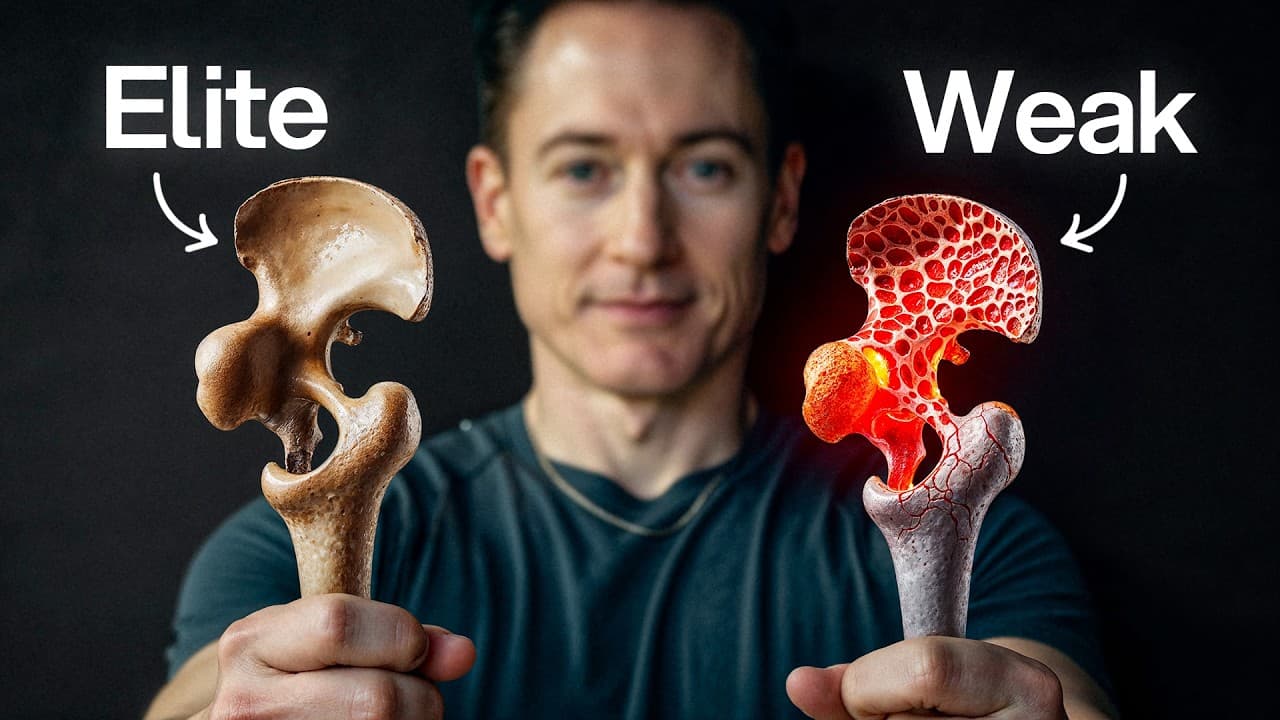
How Weak Are Your Bones? (Test & Fix)
This article outlines the importance of maintaining strong bone health through nutrition, exercise, and lifestyle choices. Key strategies include assessing bone density, incorporating essential supplements, and engaging in regular physical activity, all while ensuring quality sleep and stress management.
Jun 5, 2025
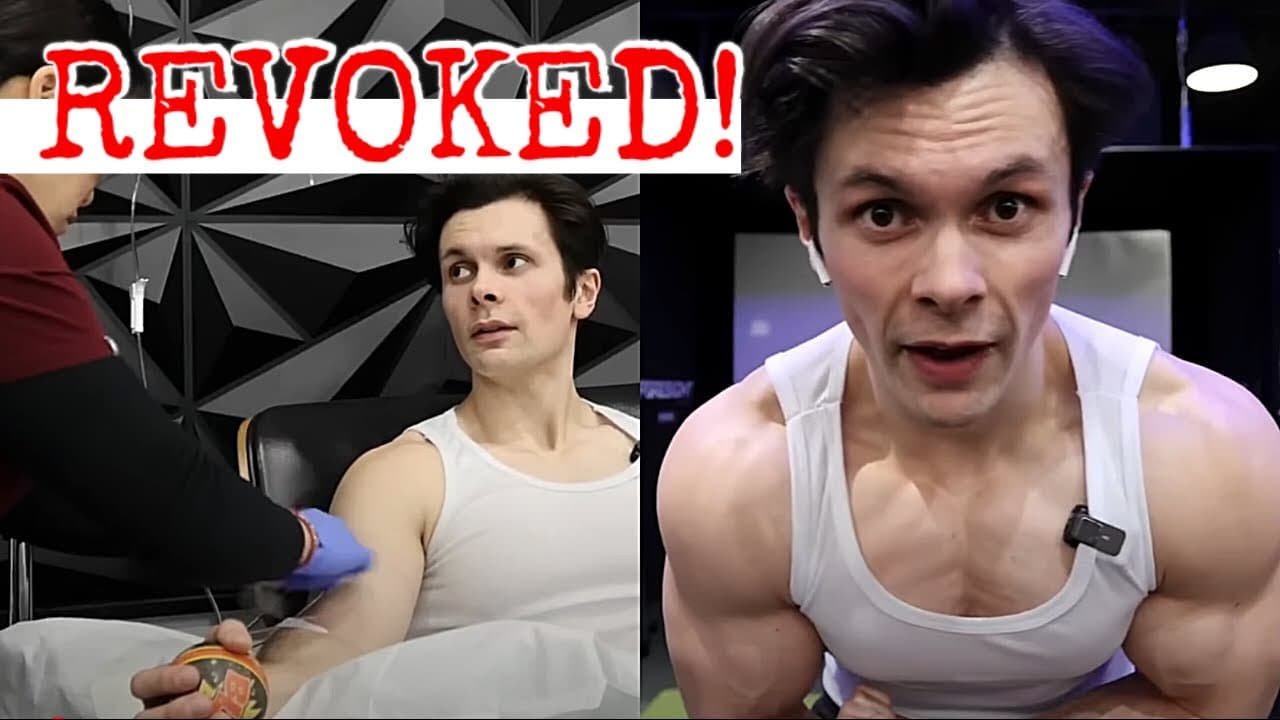
Will Tennyson Revokes His Natty Card
Coach Greg Doucette discusses the use of legal performance enhancers, focusing on IV drips and their associated risks. He emphasizes the importance of making informed choices and suggests natural alternatives like cardiovascular exercise to achieve performance goals safely.
May 21, 2025
Anti-Aging Expert: THIS Chamber Rewinds Your Biological Clock | Jason Sonners
Hyperbaric therapy is a powerful tool for enhancing cellular energy, reducing inflammation, and supporting longevity. It should be used proactively as a part of a comprehensive health optimization strategy.
May 15, 2025
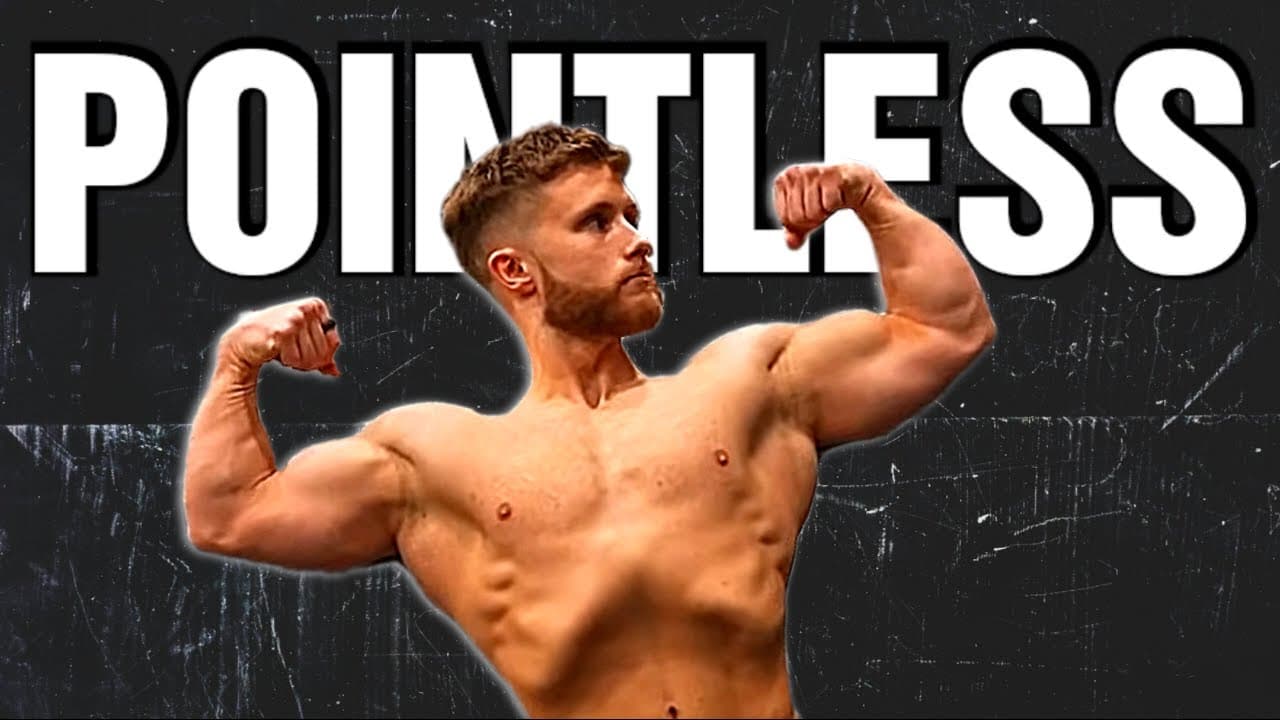
Jeff Nippard 1 Year Muscle: This Was Pointless
Coach Greg Doucette and Jeff Nippard embark on a year-long muscle-building experiment, emphasizing the importance of training intensity and individualized nutrition. While initial results showed impressive gains, skepticism arose regarding the accuracy of body composition measurements and the potential for inflated initial progress.
May 14, 2025
🟣 LIFE Lounge Voices – Live Q&A with Ben Greenfield
Ben Greenfield shared insights on nootropics, supplements, and hormonal health, emphasizing the need for personalized approaches to health and wellness. He discussed the benefits of supplements like creatine and methylene blue, and advocated for careful management of mental health medications.
May 13, 2025

The Truth About Seed Oils, Sweeteners and Your Health w/ Nick Barringer PhD
In a recent discussion with Dr. Nick Behringer, key health misconceptions about sweeteners, seed oils, and detox diets were addressed. The experts emphasized the importance of moderation, evidence-based practices, and family involvement in cooking for improved health outcomes.
May 2, 2025
RHR: How to Sharpen and Protect Your Mind for a Lifetime, with Dale Bredesen
The key to preventing and reversing cognitive decline lies in early detection, a comprehensive approach to lifestyle changes, and targeted supplementation. With advancements in research and a functional medicine approach led by experts like Dr. Dale Bredesen, individuals can take proactive steps towards maintaining their cognitive function and overall health well into their later years.
Apr 29, 2025
How I Biohacked My Body in India (Full Stem Cell Protocols)
Ben Greenfield shares insights into biohacking, emphasizing that it's about optimizing health through diet, exercise, and environmental factors to enhance longevity and health span. Key strategies include focusing on whole foods, minimizing processed sugars, and ensuring good air and water quality.
Apr 19, 2025
Creatine, Sleep Trackers, and AI Doctors | Bryan Johnson Podcast #3
In the latest episode of the Don't Die Podcast, Bryan Johnson and his team explore the implications of dietary habits on health, the efficacy of creatine, and the importance of body awareness. They emphasize the need for preventive health measures and self-advocacy in navigating healthcare.
Apr 18, 2025
How to Build Endurance | Huberman Lab Essentials
Endurance training is essential for enhancing both physical and mental performance, with a strong emphasis on ATP production and oxygen utilization. By engaging in specific exercises tailored to develop muscular and long-duration endurance, along with anaerobic and aerobic HIIT, individuals can significantly improve their energy efficiency, cardiovascular health, and cognitive functions. Proper hydration and electrolyte intake are also crucial to support sustained performance and overall well-being.
Apr 17, 2025
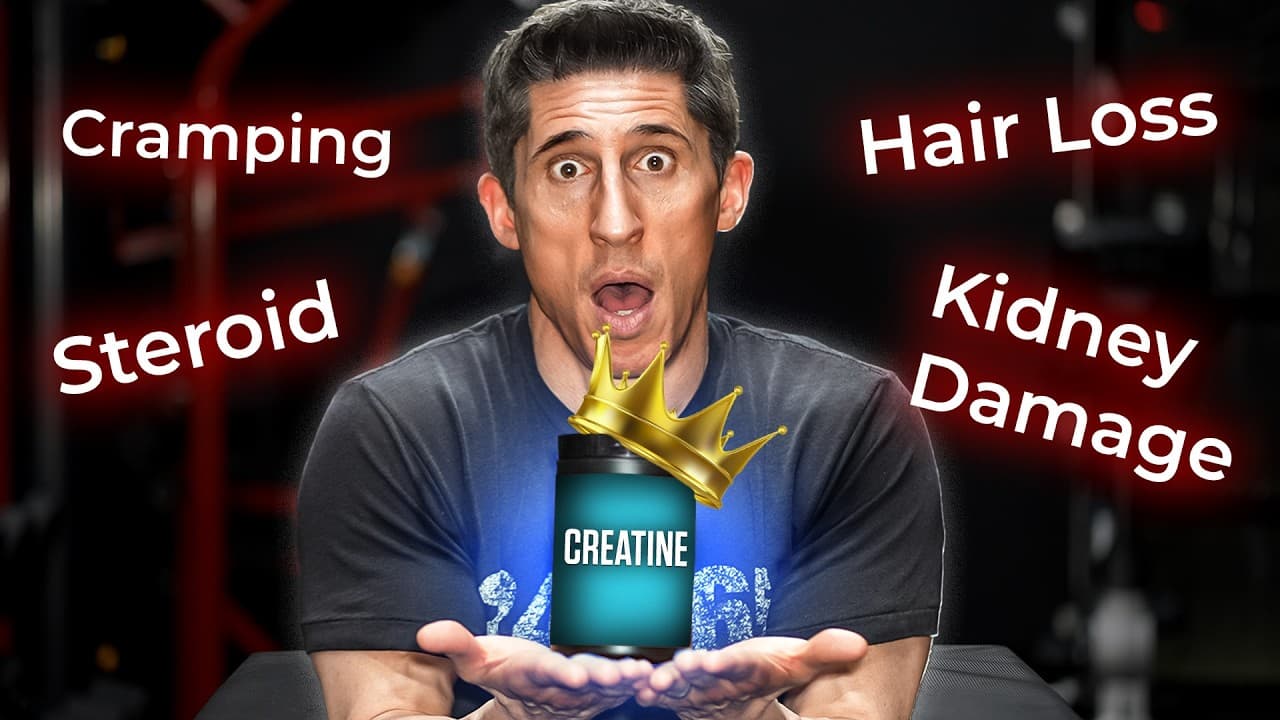
Creatine: Everything You NEED to Know Before Taking
Creatine is a safe and effective supplement that enhances muscle performance and growth without the side effects associated with anabolic steroids. Misconceptions about its effects on hair loss and kidney health are largely unfounded.
Mar 30, 2025
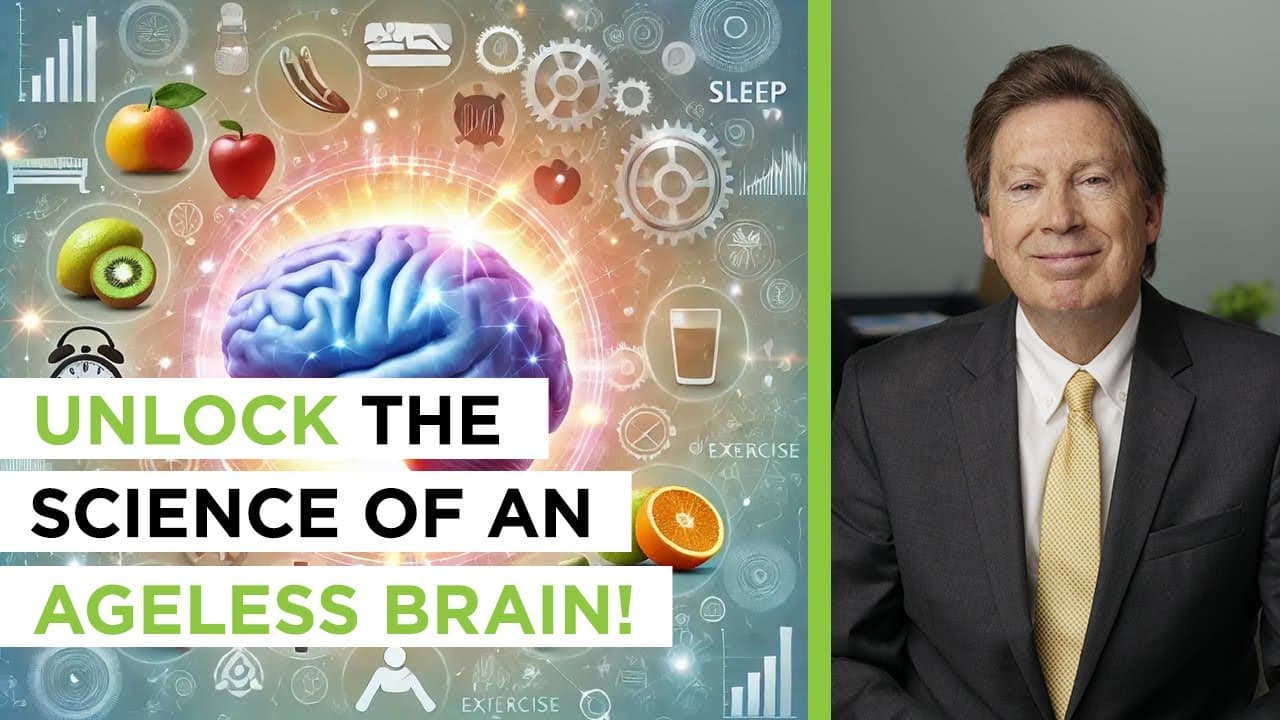
How to Make Your Brain Ageless: Prevent Cognitive Decline & Supercharge Your Mind | Dale Bredesen
Dr. Dale Bredesen emphasizes that neurodegenerative diseases like Alzheimer's are multifactorial and can be prevented or even reversed through lifestyle changes, dietary strategies, and innovative diagnostics. His new book, <em>The Ageless Brain</em>, offers insights into maintaining cognitive health as we age.
Mar 24, 2025
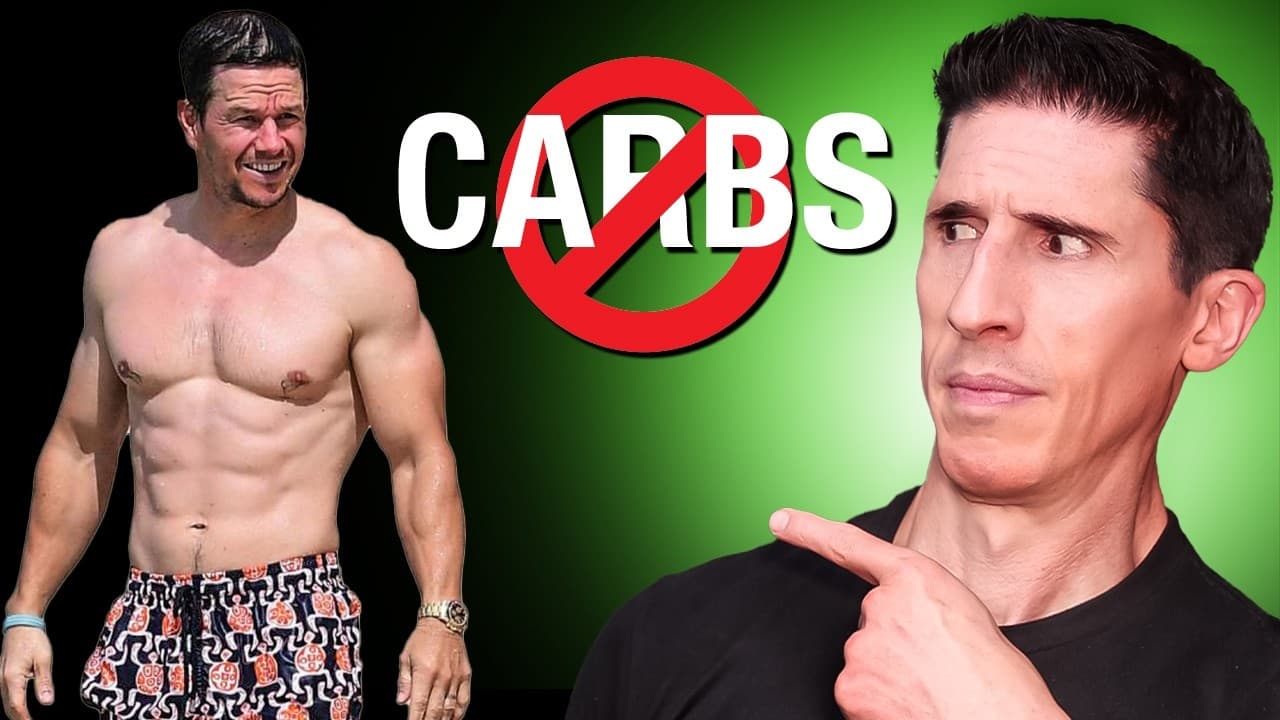
Mark Wahlberg's Day of Eating Reviewed (RIPPED AT 52?!?)
Mark Wahlberg maintains his lean physique through a disciplined diet that emphasizes hydration, nutrient-dense foods, and strategic meal timing. His focus on whole foods and recovery highlights the importance of a structured approach to nutrition and fitness.
Feb 17, 2025
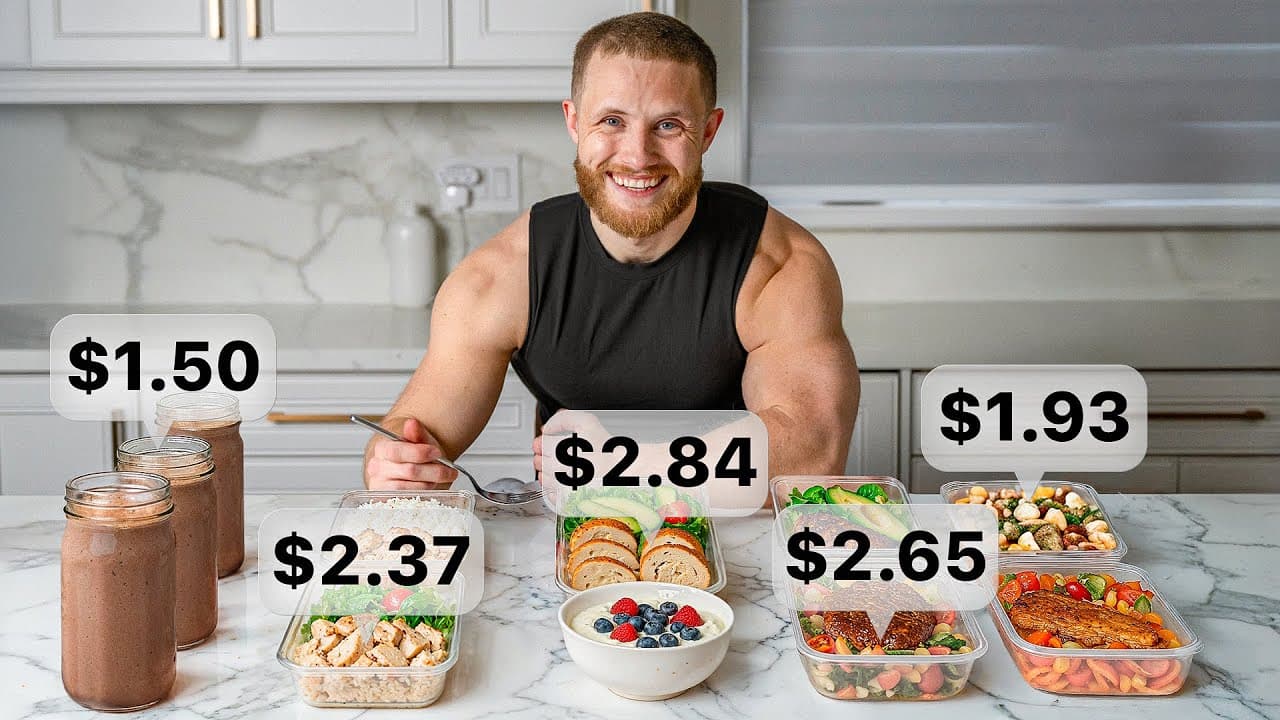
How To Get Jacked For $10/Day (Healthy Meals On A Budget)
Jeff Nippard's experiment comparing a $10 versus a $10,000 fitness approach reveals that while luxury experiences can enhance enjoyment, effective training and nutrition are the key components to achieving fitness goals, regardless of budget. Both methods can lead to impressive gains if executed correctly.
Feb 15, 2025
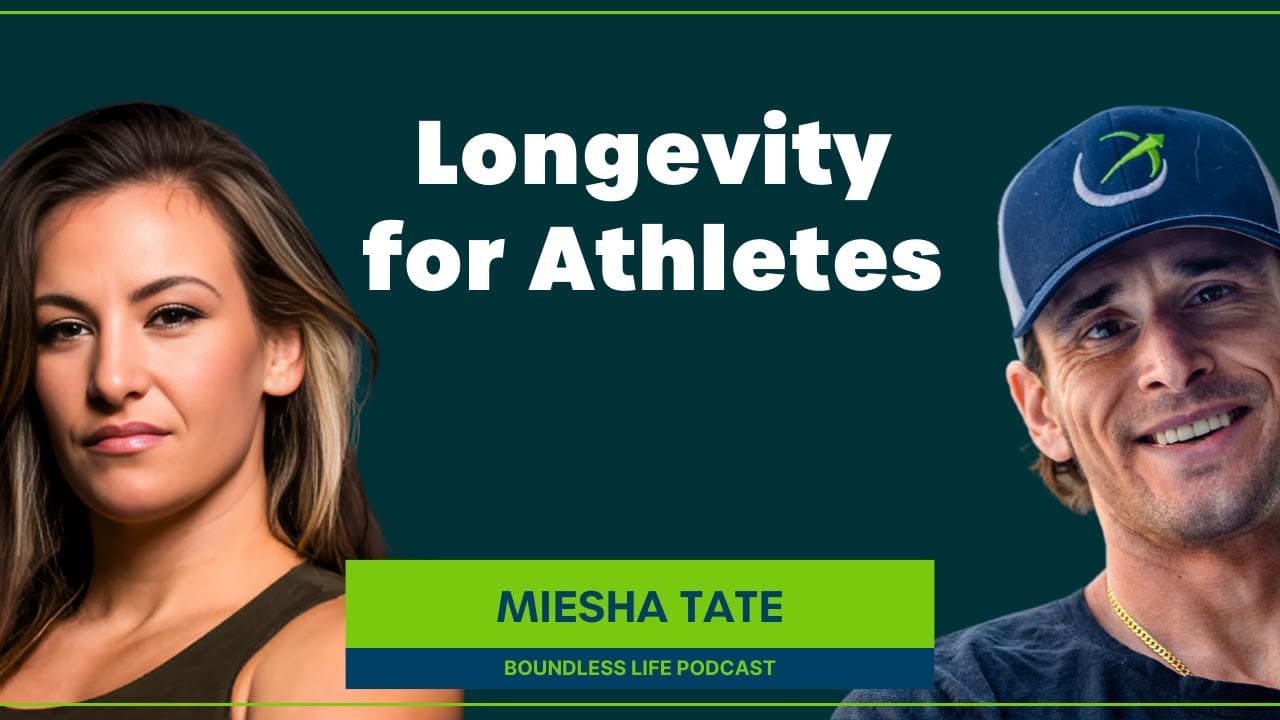
Longevity for Athletes: Biohacking, Recovery & Peak Performance with Miesha Tate
Understanding hormone levels and implementing biohacking strategies are essential for athletes seeking longevity and optimal performance. Regular testing and smart recovery techniques play a critical role in maintaining health as we age.
Feb 13, 2025
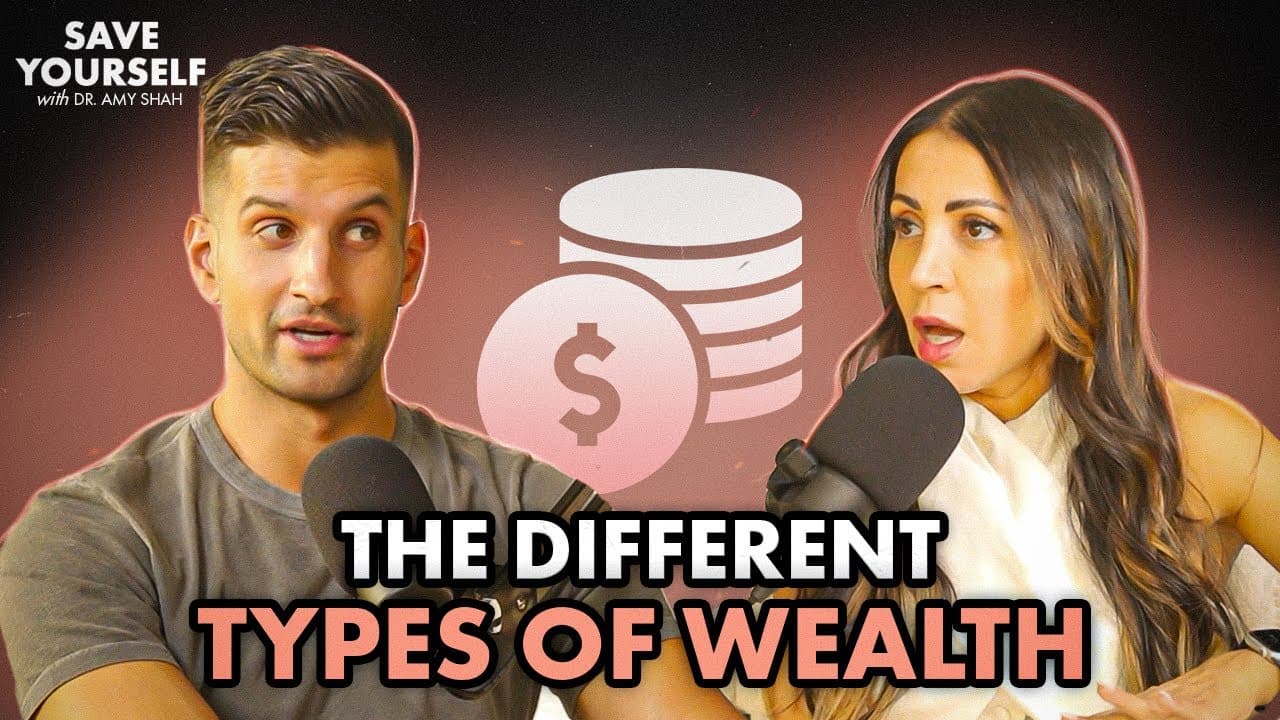
Life's True North: Sahil Bloom on Purpose and Personal Pursuit
Sahil Bloom's <em>The Five Types of Wealth</em> emphasizes redefining success beyond financial metrics, advocating for a balanced approach that includes time, social connections, mental clarity, physical health, and financial understanding to achieve true fulfillment.
Feb 3, 2025

Rebuilding Health: How What We Eat Impacts Our Energy, Mood and Motivation with Jaden Shah
In this episode of the Save Yourself Podcast, Dr. Amy Shah discusses her son Jaden's journey following a serious injury that transformed his understanding of gut health and nutrition. Their conversation emphasizes the critical connection between diet, emotional well-being, and physical health, along with setting achievable health goals for the new year.
Jan 21, 2025
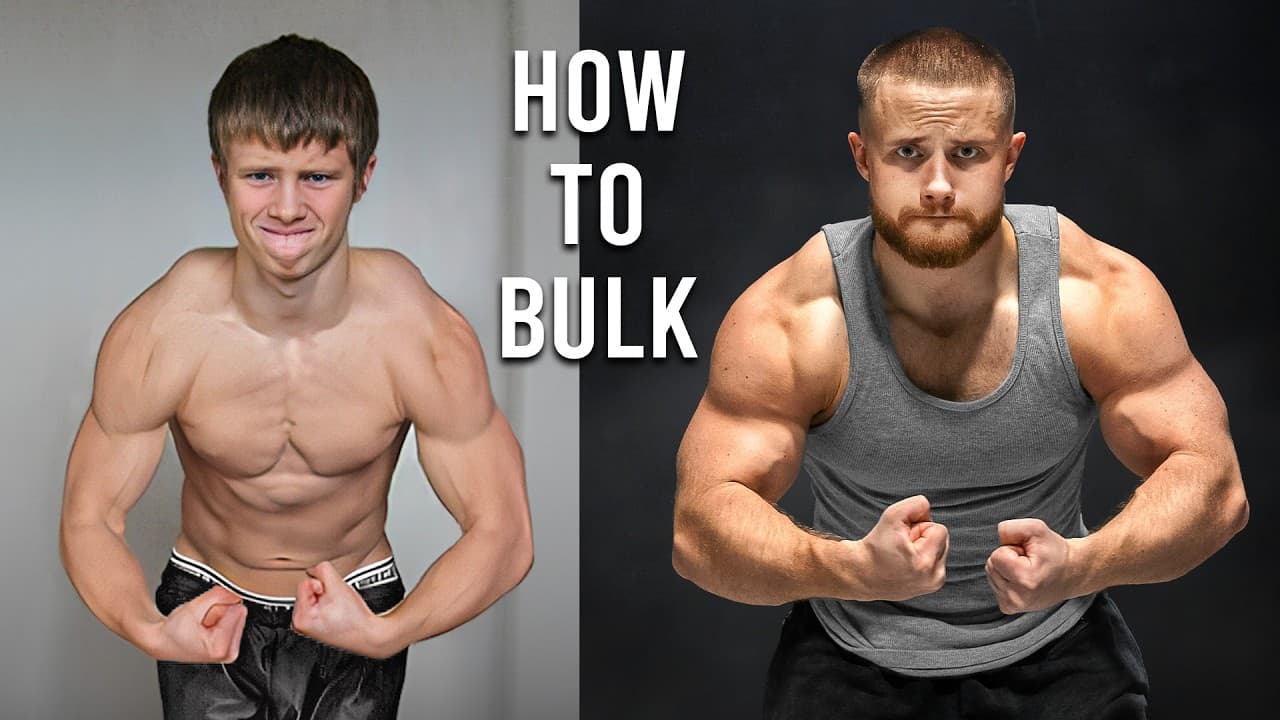
How To Bulk Like A Pro (Using Science)
Bulking is a vital strategy for building muscle, allowing for a controlled caloric surplus to optimize growth while minimizing fat gain. A structured diet and rigorous training regimen are essential for success.
Dec 1, 2024
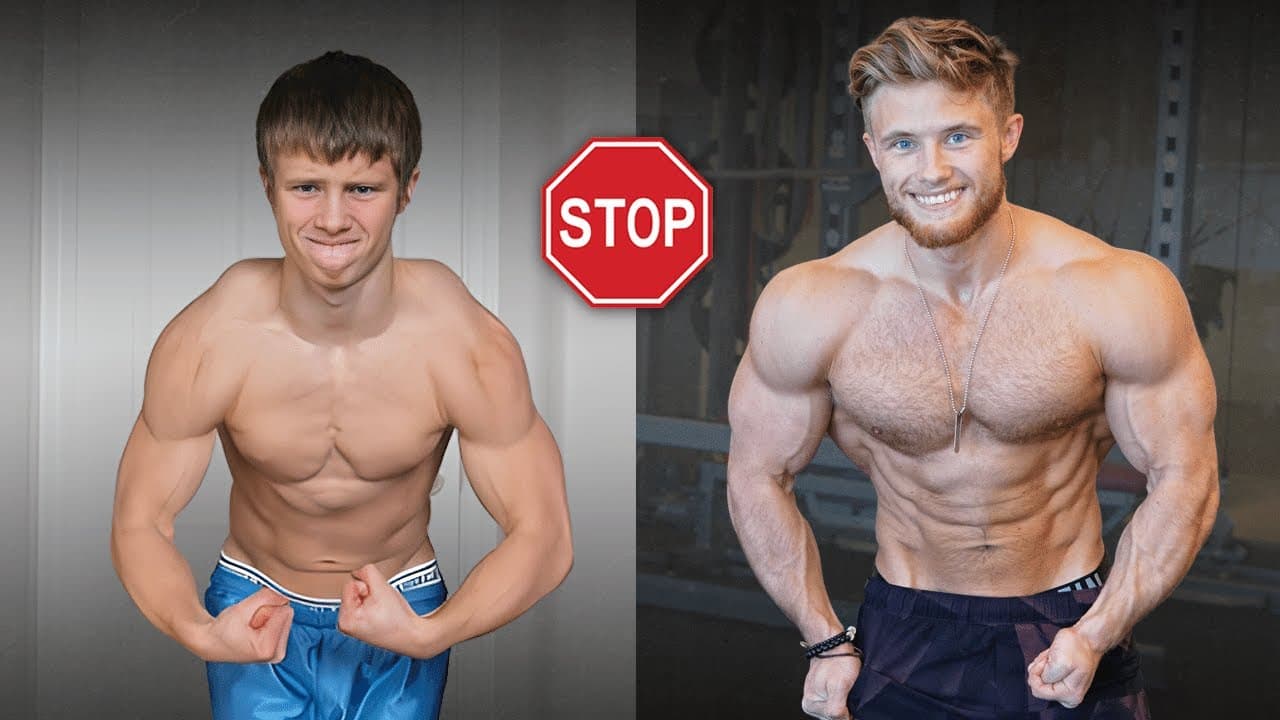
The Worst Nutrition Mistakes Every Lifter Makes
This article outlines common nutrition mistakes made by lifters, emphasizing that muscle growth cannot be forced through excessive caloric intake. Effective nutrition relies on hitting appropriate caloric targets and understanding the role of protein and meal frequency.
Mar 27, 2023

Best SUPPLEMENTS For ECTOMORPHS
Coach Greg Doucette recommends several supplements for ectomorphs looking to gain muscle, including creatine, THC (where legal), MK-677, beta-alanine, testosterone (with caution), protein bars, melatonin, and pre-workout supplements. He advises against weight gainer shakes, calling them unnecessary. These supplements can help overcome the challenges ectomorphs face in gaining muscle mass.
Jan 21, 2021

The Supplement Timeline (What Age - Which Supplements!)
Jeff Cavaliere of ATHLEAN-X™ emphasizes the importance of age-appropriate training and supplementation for optimal health and fitness. Starting with bodyweight exercises for children and progressively incorporating weights and supplements as one ages can support lifelong health, muscle building, and recovery. Proper nutrition remains paramount, with supplements serving to enhance, not replace, a balanced diet.
Feb 8, 2015
Following Creatine?
Get the daily brief — three expert summaries each morning, including new research on what you're taking.
One email a day. No supplement pitches. Unsubscribe any time.
Related Articles

Aug 16, 2026•4 min read
Why Creatine is Essential for Your Fitness Journey
# Why Creatine is Essential for Your Fitness Journey ## Introduction In a world where fitness enthusiasts are constantly searching for the next best ...
WT
Wellifi Team
Aug 16, 2026•4 min read
Unlock Your Fitness Potential with Creatine Supplements
# Unlock Your Fitness Potential with Creatine Supplements ## Introduction In the quest for optimal fitness, many health-conscious adults are turning ...
WT
Wellifi Team
Aug 16, 2026•4 min read
Is Creatine Right for You? A Health-Conscious Review
# Is Creatine Right for You? A Health-Conscious Review ## Introduction In the world of fitness and health, few supplements have garnered as much atte...
WT
Wellifi Team
Aug 16, 2026•4 min read
Creatine: The Ultimate Guide for Health-Conscious Adults
# Creatine: The Ultimate Guide for Health-Conscious Adults ## Introduction In the bustling world of health and wellness, **creatine** stands out as a...
WT
Wellifi Team
Aug 16, 2026•4 min read
Boost Your Workout: Benefits of Creatine Explained
# Boost Your Workout: Benefits of Creatine Explained ## Introduction In the world of fitness and bodybuilding, few supplements have garnered as much ...
WT
Wellifi Team
Community Reviews
Sort by: