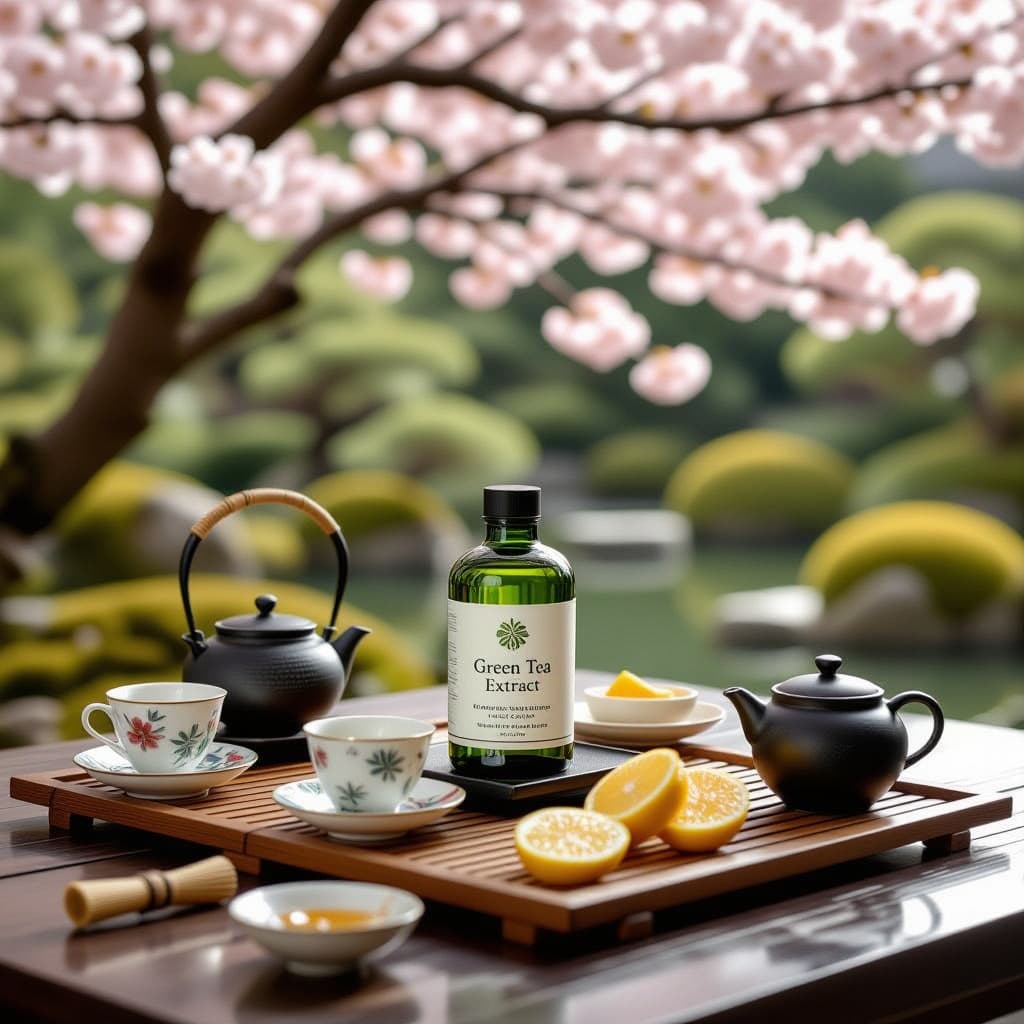
Green Tea Extract: A Powerhouse of Antioxidants
Green Tea Extract is a supplement derived from the green tea plant, Camellia sinensis Known for its potent antioxidant properties, it has been traditionally used in Asian cultures for centuries for its health benefits.
Supplement Summary
| Name | Green Tea Extract |
|---|---|
| Category | Antioxidants |
| Main Uses |
|
| Effectiveness | High |
| Common Dosage | 250-500 mg once daily |
| Price Range | $-$$ |
| Forms Available | Capsules Powder Liquid |
Pros
- ✅ Rich source of antioxidants
- ✅ Supports heart health
- ✅ Enhances cognitive function
- ✅ Aids in weight loss
- ✅ Boosts physical performance
Cons / Side Effects
- ❌ May cause stomach upset
- ❌ Potential for constipation
- ❌ Can cause headaches in some individuals
What Is Green Tea Extract?
Green Tea Extract is a supplement derived from the green tea plant, Camellia sinensis. Known for its potent antioxidant properties, it has been traditionally used in Asian cultures for centuries for its health benefits.
How It Works
Green Tea Extract works primarily through its high content of polyphenols, particularly a catechin called EGCG, which is a powerful antioxidant. These antioxidants neutralize harmful free radicals, reducing oxidative stress, and promoting overall health.
Who It's Best For
Green Tea Extract is ideal for individuals looking to increase their antioxidant intake, boost cognitive function, improve heart health, and support weight loss efforts.
Who Should Avoid It
People with sensitivity to caffeine or those with certain medical conditions such as liver disease should avoid Green Tea Extract.
Dosage & Usage Tips
The recommended dosage of Green Tea Extract is 250-500 mg once daily, preferably taken with a meal.
Buying Advice & Quality Tips
When buying Green Tea Extract, look for supplements that specify the amount of EGCG and prefer products without unnecessary additives.
Price & Value
Green Tea Extract offers good value for its price given its multitude of health benefits.
Final Verdict
Green Tea Extract is a worthwhile supplement for its rich antioxidant content and its diverse range of health benefits.
Additional Clinical Research
I have identified three scientific studies that specifically investigate the effects of Green Tea Extract (GTE) on various health aspects.
RESEARCH SUMMARY: Green Tea Extract
KEY FINDINGS:
Cardiovascular Health
- Regular consumption of Green Tea Extract may lead to small reductions in systolic and diastolic blood pressures.
- Meta-analyses of randomized controlled trials found that green tea consumption for 3–6 months may produce small reductions (about 2–3 mm Hg each) in systolic and diastolic blood pressures.
Source: Green tea - Wikipedia
View Research
https://en.wikipedia.org/wiki/Green_tea
Cancer Prevention
- Green Tea Extract, particularly its catechins, may have protective effects against certain types of cancer, including breast, ovarian, prostate, and neck cancers.
- Some studies suggest green tea reduces cancer risk and might aid treatment, but this is controversial and requires more research.
Source: Green Tea Is Even Better For You Than You Think - TIME
View Research
https://time.com/7017512/is-green-tea-good-for-you/
Neurological Health
- Green Tea Extract may reduce the risk of neurodegenerative diseases such as Alzheimer's and Parkinson's, with caffeine and L-theanine improving cognition and focus.
- Research supports green tea's benefits for brain health by lowering the risk of Alzheimer's and Parkinson's diseases.
Source: Green Tea Is Even Better For You Than You Think - TIME
View Research
https://time.com/7017512/is-green-tea-good-for-you/
RESEARCH QUALITY ASSESSMENT:
- The studies referenced are meta-analyses and systematic reviews, which provide a high level of evidence by aggregating data from multiple trials.
- Some studies suggest green tea reduces cancer risk and might aid treatment, but this is controversial and requires more research.
- The studies referenced are meta-analyses and systematic reviews, which provide a high level of evidence by aggregating data from multiple trials.
- Further research is needed to confirm these findings and to understand the mechanisms involved.

