How to Improve Sperm Health (supplements & lifestyle recommendations)
FoundMyFitnessPublished on June 19, 2025
Summary authored by editor@wellifi.com
TLDR Summary
Improving male fertility involves both dietary supplementation with Omega-3, CoQ10, selenium, zinc, and L-carnitine and lifestyle changes including reducing alcohol intake, managing weight, and avoiding excessive heat exposure. These steps can support sperm health by reducing oxidative stress and improving mitochondrial function.
Key Points
- Omega-3, CoQ10, selenium, zinc, and L-carnitine positively impact sperm quality.
- Oxidative stress, attributed to 30-80% of male infertility cases, causes sperm dysfunction.
- Lifestyle factors such as reducing alcohol intake and avoiding excessive heat exposure are crucial for sperm health.
- Obesity can reduce testosterone levels and sperm quality, while a Mediterranean diet and regular exercise support better sperm outcomes.
- Consulting with a healthcare professional before starting any supplement regimen is advisable.
Enhancing Male Fertility: A Closer Look at Supplements and Lifestyle Factors
Male fertility issues, often less discussed than female fertility, involve complex factors such as sperm quality, motility, morphology, and DNA fragmentation. Despite a common belief that these concerns are primarily linked to oxidative stress, other factors also play a significant role. Understanding how lifestyle choices and specific supplements can impact male fertility is crucial for those looking to improve their reproductive health.
Key Supplements for Male Fertility
A systematic review and meta-analysis of randomized controlled trials have shed light on how oral vitamin and mineral supplementation can influence male infertility. Here's a breakdown of supplements found to positively affect various sperm parameters:
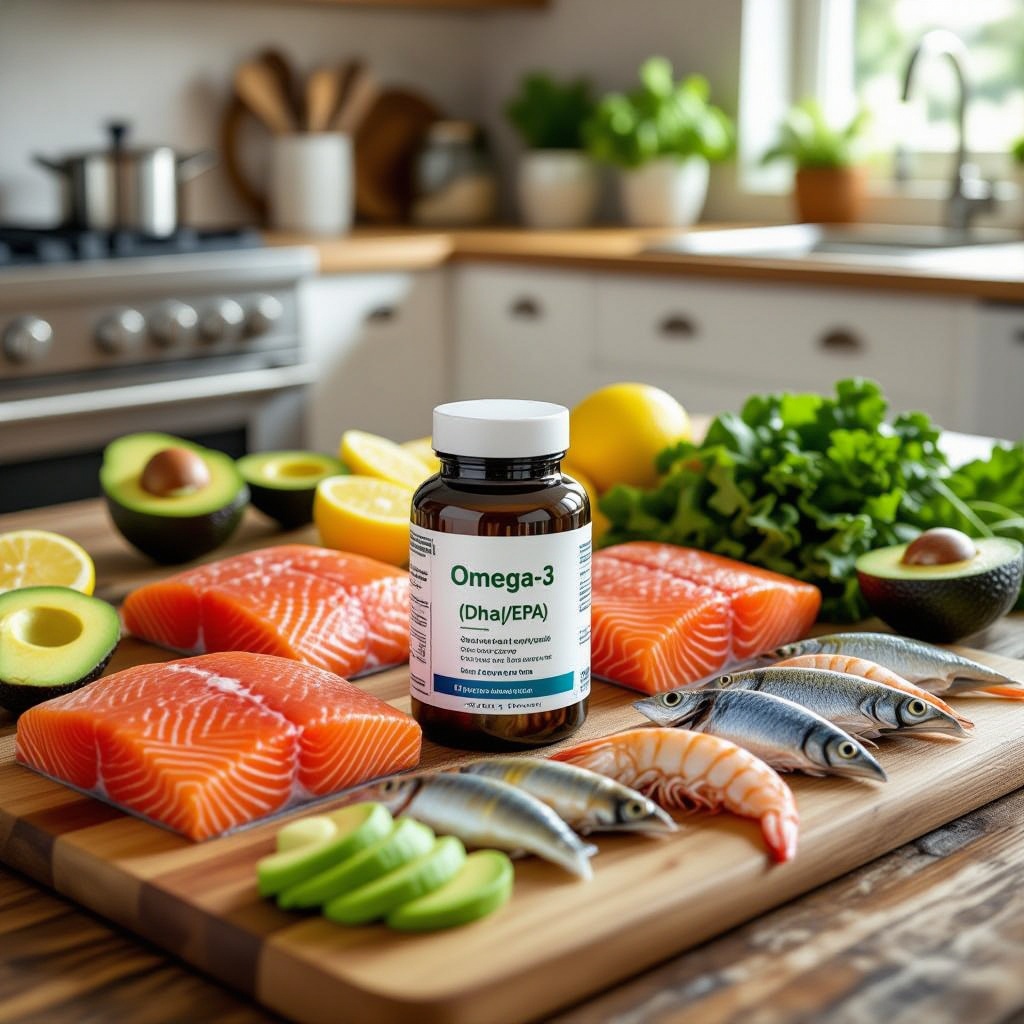
- Omega-3: Improves total sperm count, concentration, motility, and morphology.
- Co-enzyme Q10 (CoQ10): Benefits total sperm count, concentration, motility, and morphology.
- Selenium: Affects total sperm count, concentration, motility, and morphology.
- Zinc: Influences sperm concentration, motility, and morphology.
- L-Carnitine: Enhances sperm motility and morphology.
These supplements work in various ways, from reducing oxidative stress to improving mitochondrial function and energy metabolism in sperm cells. Additionally, lifestyle factors such as reducing alcohol intake and avoiding excessive heat exposure (e.g., saunas and hot tubs) can further support sperm health.
Lifestyle Factors Influencing Male Fertility
Besides supplementation, certain lifestyle modifications are recommended for those looking to improve male fertility:
- Avoiding or significantly reducing alcohol consumption, as it can worsen semen quality.
- Limiting sauna and hot tub use, as they can temporarily affect sperm motility.
- Addressing obesity, which is linked to lower testosterone levels and reduced sperm quality.
- Adopting a Mediterranean diet, which has been associated with better sperm outcomes.
- Regular exercise, which generally supports health and by extension, sperm quality.
Conclusion
Improving male fertility involves a multifaceted approach that includes both dietary supplementation and lifestyle changes. While supplements such as Omega-3, CoQ10, selenium, zinc, and L-carnitine have shown promise in supporting sperm health, it's equally important to make informed lifestyle choices. Reducing alcohol intake, avoiding excessive heat, managing weight, and following a balanced diet can all contribute to better reproductive outcomes. As always, it's advisable to consult with a healthcare professional before starting any new supplement regimen.