Can caloric restriction supplements mimic fasting? | Dr. Mark Mattson
FoundMyFitnessPublished on October 15, 2021
Summary authored by editor@wellifi.com
TLDR Summary
While fasting mimetics like resveratrol and spermidine hold promise for mimicking the health benefits of fasting, their long-term efficacy and safety in humans remain uncertain. The speaker recommends focusing on proven health strategies such as intermittent fasting, exercise, and a healthy diet, highlighting the need for further research on fasting mimetics.
Key Points
- Fasting mimetics like resveratrol and spermidine are explored for their potential to mimic the effects of fasting, such as increased autophagy.
- Intermittent fasting involves eating within a specific time window and may offer various health benefits.
- Compounds like 2-deoxyglucose and DNP have been studied for their ability to mimic caloric restriction but may have detrimental long-term effects.
- The speaker emphasizes the importance of exercise, intellectual engagement, and a balanced diet over relying on fasting mimetics.
- There is insufficient data to support the widespread use of fasting mimetics for health benefits.
Exploring Fasting Mimetics and the Impact of Intermittent Fasting
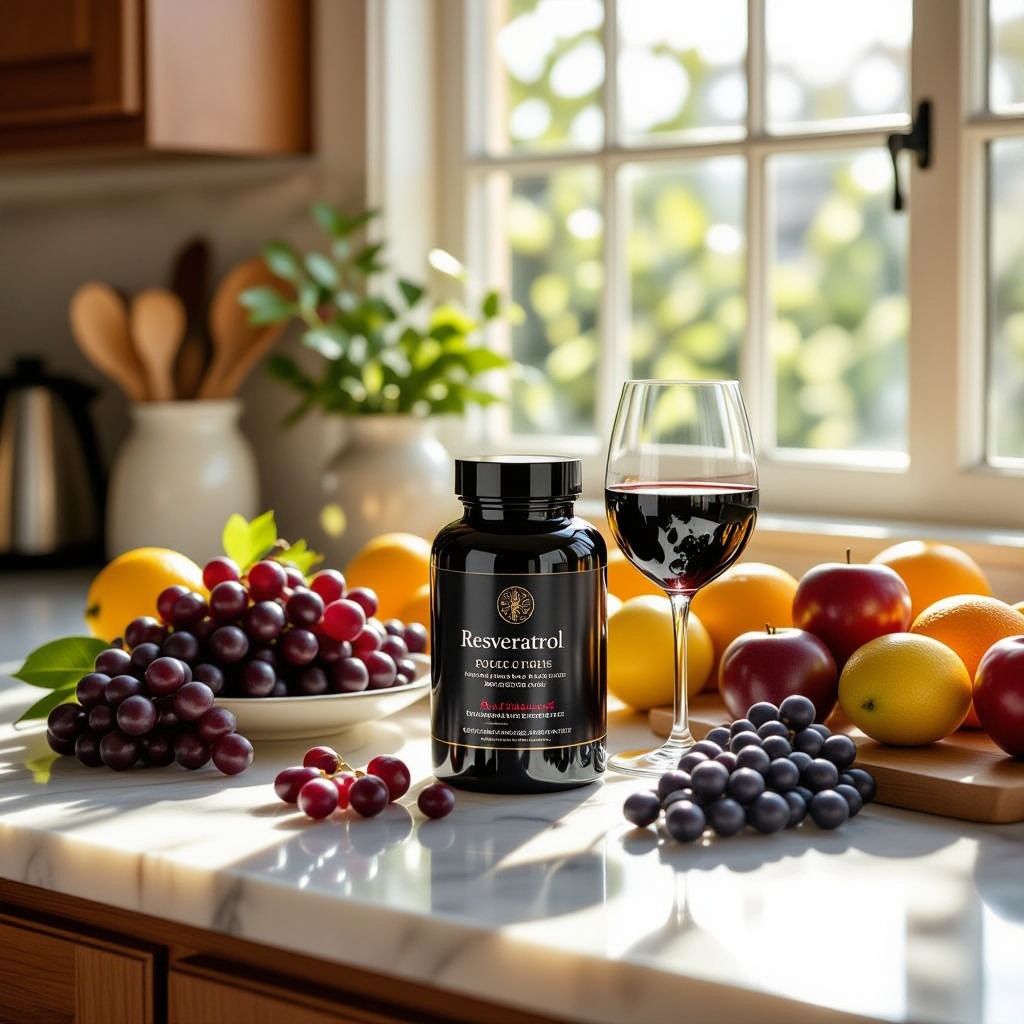
In the quest for enhanced health and longevity, the concept of caloric restriction and fasting mimetics has garnered significant attention. Compounds like resveratrol, spermidine, hydroxy citrate, and polyphenols from coffee are often highlighted for their potential to mimic the effects of fasting, such as increased autophagy. Combined with intermittent fasting, these elements could offer a synergistic approach to health. But what does the science say, and how do these strategies hold up in practical application?
The Science Behind Fasting Mimetics
Fasting mimetics like resveratrol and spermidine aim to activate pathways associated with fasting, such as autophagy, without the need to actually reduce caloric intake. The theory is that by activating these pathways, one can reap the benefits of fasting, including improved metabolic health and potentially longer lifespan. However, the effectiveness and safety of these compounds, especially in long-term use, remain subjects of ongoing research.
The Role of Intermittent Fasting
Intermittent fasting involves limiting food intake to a specific window of time each day, which has been shown to have various health benefits, including improved metabolic flexibility and reduced inflammation. The speaker maintains a six-hour eating window, focusing on a diet rich in vegetables, fruits, fish, and whole grains, with minimal simple sugars and virtually no saturated fat.
Personal Experience and Recommendations
The speaker has experimented with compounds like 2-deoxyglucose and DNP (a mitochondrial uncoupler) to mimic calorie restriction at a cellular level. While 2-deoxyglucose showed promise in increasing certain protein chaperones and offering neuroprotection in models, its long-term effects were detrimental, highlighting the complexity of mimicking fasting and the importance of cautious approach.
Despite the potential of fasting mimetics, the speaker advises sticking with proven health strategies such as exercise, intellectual engagement, and a balanced diet. The use of supplements or drugs to mimic fasting effects lacks sufficient data for safety and efficacy, emphasizing the need for more research before widespread adoption.
Conclusion
While the exploration of fasting mimetics like resveratrol and spermidine is intriguing, the efficacy and safety of these compounds in long-term human use remain uncertain. Intermittent fasting, combined with a healthy lifestyle, appears to be a more reliable approach to achieving the benefits associated with caloric restriction. As always, further research is needed to fully understand the potential and limitations of fasting mimetics.
Related Supplement