The 10 Habits That DRAMATICALLY Reduce Cancer Risk (by up to 90%)
FoundMyFitnessPublished on June 19, 2025
Summary authored by editor@wellifi.com
TLDR Summary
Cancer prevention is significantly influenced by lifestyle choices such as quitting smoking, maintaining a healthy weight, regular exercise, a nutritious diet, limiting alcohol, protecting against UV radiation, and managing environmental exposures. Supplements like Vitamin D and Magnesium may also play a role in prevention.
Key Points
- Quitting smoking is the best action you can take to lower your cancer risk.
- Maintaining a healthy body weight is crucial for cancer prevention.
- Regular physical activity reduces the risk of many types of cancer.
- A healthy diet, especially one rich in fruits, vegetables, and fiber, significantly lowers cancer risk.
- Limiting alcohol intake can reduce the risk of several types of cancer.
- Protecting your skin from UV radiation is essential for preventing skin cancer.
- Reducing exposure to environmental pollutants and managing stress are important for lowering cancer risk.
- Certain supplements like Vitamin D and Magnesium may help with cancer prevention.
Top Strategies for Cancer Prevention
Cancer remains one of the leading causes of death worldwide, but many cases are preventable through lifestyle changes. Understanding and implementing key preventive measures can significantly reduce your risk. Here are the most impactful strategies for keeping cancer at bay.
Avoiding Tobacco: The Single Most Important Step
Without a doubt, quitting smoking is the best thing you can do for your health. Tobacco use is linked to a large percentage of lung cancer deaths, but quitting can almost reverse the damage. Quitting smoking, even later in life, can halve your lung cancer risk within 10-15 years, proving it's never too late to benefit from giving up cigarettes.
Maintaining a Healthy Body Weight
Obesity is a known risk factor for several types of cancer, including endometrial, breast, colon, and kidney cancers. Keeping your body mass index (BMI) within the healthy range (18.5 to 24.9) is crucial for cancer prevention, as well as for reducing risks of other diseases like type 2 diabetes and metabolic syndrome. Even modest weight loss can have significant health benefits.
Regular Physical Activity
Exercise isn't just good for your waistline; it's essential for overall health, including cancer prevention. Aiming for at least 150 minutes of vigorous intensity exercise or 300 minutes of moderate intensity exercise per week can lower your risk for many cancers.
Eating a Healthy Diet
A diet rich in fruits, vegetables, nuts, whole grains, and legumes while limiting processed meats can significantly reduce cancer risk. A Mediterranean-type diet, in particular, has been associated with a lower risk of cancer. Dietary fiber also plays a crucial role, especially in preventing colon cancer, with evidence suggesting that higher fiber intake can reduce colorectal cancer risk by up to 60%.
Limiting Alcohol Intake
Alcohol consumption is linked to an increased risk of several types of cancer, including mouth, throat, and breast cancers. Even moderate drinking can raise breast cancer risk, so it's advisable to limit alcohol intake or avoid it altogether for cancer prevention.
Protection Against UV Radiation
Regular use of sunscreen has been shown to reduce the incidence of melanoma by 50% over ten years. Protecting your skin from UV radiation is a straightforward and effective way to prevent skin cancer.
Reducing Environmental Exposures and Managing Stress
Air pollution, secondhand smoke, and radon gas are environmental factors that can increase cancer risk. Implementing air filters and testing for radon can mitigate these risks. Additionally, managing stress and ensuring quality sleep are important for reducing cancer risk through better immune and hormonal regulation.
Supplements for Cancer Prevention
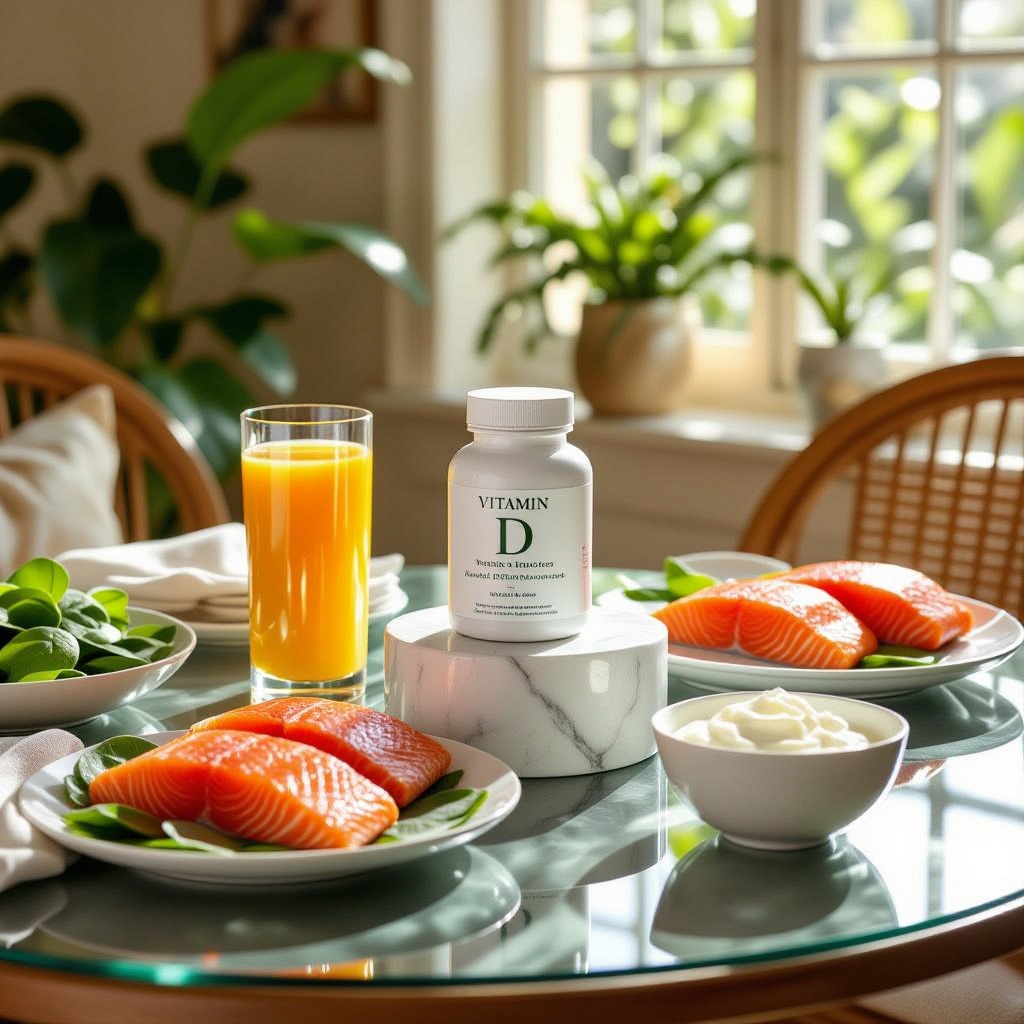
Certain supplements, like vitamin D and magnesium, have shown promise in cancer prevention, especially for those deficient in these nutrients. However, it's important to approach supplementation with caution, as some, like high doses of beta carotene in smokers, may increase cancer risk.
Conclusion
Cancer prevention is largely influenced by lifestyle choices. Quitting smoking, maintaining a healthy weight, exercising regularly, eating a nutritious diet, limiting alcohol, protecting against UV radiation, managing environmental exposures, and considering certain supplements can all contribute to significantly reducing your cancer risk. By adopting these strategies, you can take proactive steps towards leading a healthier, cancer-free life.