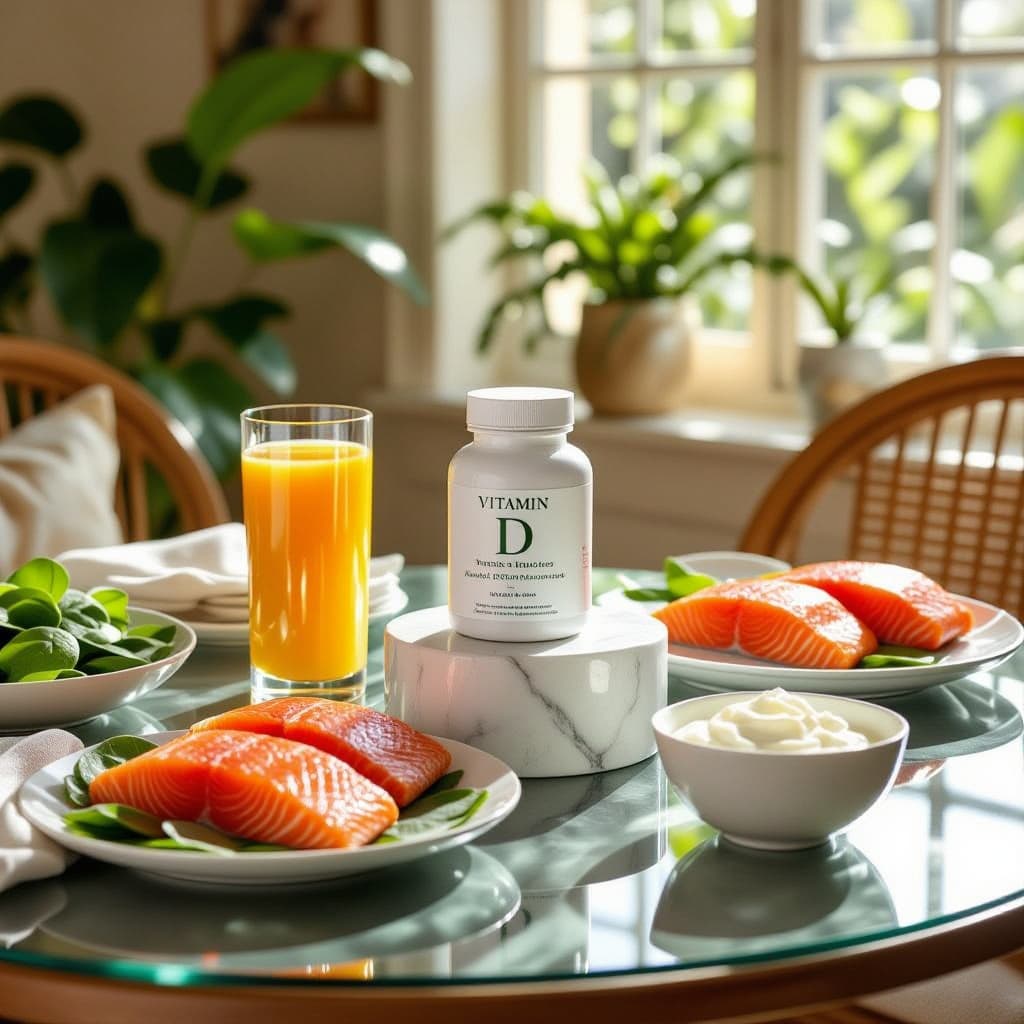
Vitamin D: The Sunshine Supplement for Bone Health and Beyond
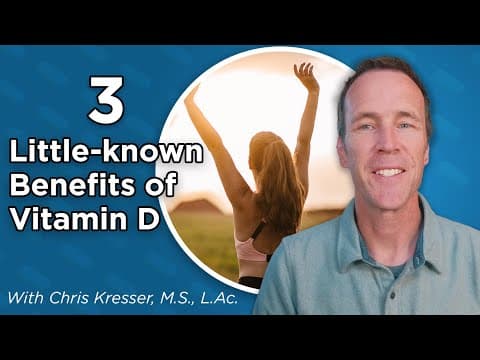
Vitamin D, also known as the 'sunshine vitamin', is a fat-soluble vitamin that plays a crucial role in many body functions, including bone health, immune function, and calcium absorption It can be obtained through diet, supplements, and the body's synthesis when skin is exposed to sunlight.
Supplement Summary
| Name | Vitamin D |
|---|---|
| Category | Vitamins & Minerals |
| Main Uses |
|
| Effectiveness | Very High - Numerous studies have confirmed its effectiveness. |
| Common Dosage | 600-800 IU daily |
| Price Range | $-$$ |
| Forms Available | Capsules Tablets Liquid Drops Gummies |
Pros
- ✅ Supports bone health
- ✅ Boosts immune function
- ✅ Aids in calcium absorption
- ✅ May reduce risk of certain diseases
- ✅ May improve mood
Cons / Side Effects
- ❌ Excessive intake can cause hypercalcemia
- ❌ Not found in many foods
- ❌ Supplementation may be necessary for those with limited sun exposure
- ❌ Dosage needs can vary greatly
What Is Vitamin D?
Vitamin D, also known as the 'sunshine vitamin', is a fat-soluble vitamin that plays a crucial role in many body functions, including bone health, immune function, and calcium absorption. It can be obtained through diet, supplements, and the body's synthesis when skin is exposed to sunlight.
How It Works
Vitamin D works by promoting calcium absorption in the gut and maintaining adequate serum calcium and phosphate concentrations. This enables normal mineralization of bone and prevents hypocalcemic tetany. It also has other roles in the body, including modulation of cell growth, neuromuscular and immune function, and reduction of inflammation.
Who It's Best For
Vitamin D is ideal for those who have limited sun exposure, a diet lacking in Vitamin D-rich foods, or certain conditions that affect Vitamin D absorption. It's also beneficial for those wanting to support overall health.
Who Should Avoid It
People with hypercalcemia or other conditions that cause sensitivity to Vitamin D should avoid this supplement. Always consult a healthcare provider before starting any new supplement regimen.
Dosage & Usage Tips
The typical dosage for Vitamin D is 600-800 IU daily, but may vary depending on age, health status, and sun exposure. It can be taken at any time of day, with or without food.
Buying Advice & Quality Tips
Look for supplements that contain Vitamin D3 (cholecalciferol), which is more effectively used by the body. Ensure the product is from a reputable company and meets quality standards.
Price & Value
Vitamin D is a cost-effective supplement given its numerous health benefits. Prices can vary based on brand and dosage.
Final Verdict
Considering its multiple health benefits and relatively low cost, Vitamin D is a worthwhile addition to most people's supplement regimen, particularly for those with limited sun exposure or dietary intake.
Additional Clinical Research
I have identified three published scientific studies that specifically investigate the role of Vitamin D in various health outcomes.
RESEARCH SUMMARY: Vitamin D
KEY FINDINGS:
Metabolic Health
- Higher serum 25(OH)D concentrations are associated with a lower risk of metabolic syndrome among Aboriginal and Torres Strait Islander peoples in Australia.
- Cross-sectional study analyzing data from the 2012-2013 Australian Aboriginal and Torres Strait Islander Health Survey.
Source: Neo et al. (2025)
View Research
https://arxiv.org/abs/2501.01043
COVID-19 Prognosis
- Lower serum vitamin D levels are independently associated with increased severity and prolonged viral clearance in elderly COVID-19 patients.
- Retrospective study involving 719 confirmed COVID-19 patients aged 76 years on average.
Source: Qu et al. (2022)
View Research
https://arxiv.org/abs/2301.02660
Dementia Risk
- Moderate to severe vitamin D deficiency is associated with a significantly increased risk of developing dementia and Alzheimer's disease in older adults.
- Prospective cohort study over six years with 1,658 participants aged 65 or older.
Source: Llewellyn et al. (2014)
View Research
https://time.com/3089339/study-research-vitamin-d-deficiency-dementia-alzheimers/
RESEARCH QUALITY ASSESSMENT:
- The studies utilized robust methodologies, including cross-sectional and prospective cohort designs, with substantial sample sizes.
- Findings are consistent with existing literature, reinforcing the association between vitamin D levels and various health outcomes.
- Limitations include potential confounding factors and the observational nature of the studies, which preclude establishing causality.
- Further randomized controlled trials are necessary to confirm these associations and explore the potential benefits of vitamin D supplementation.